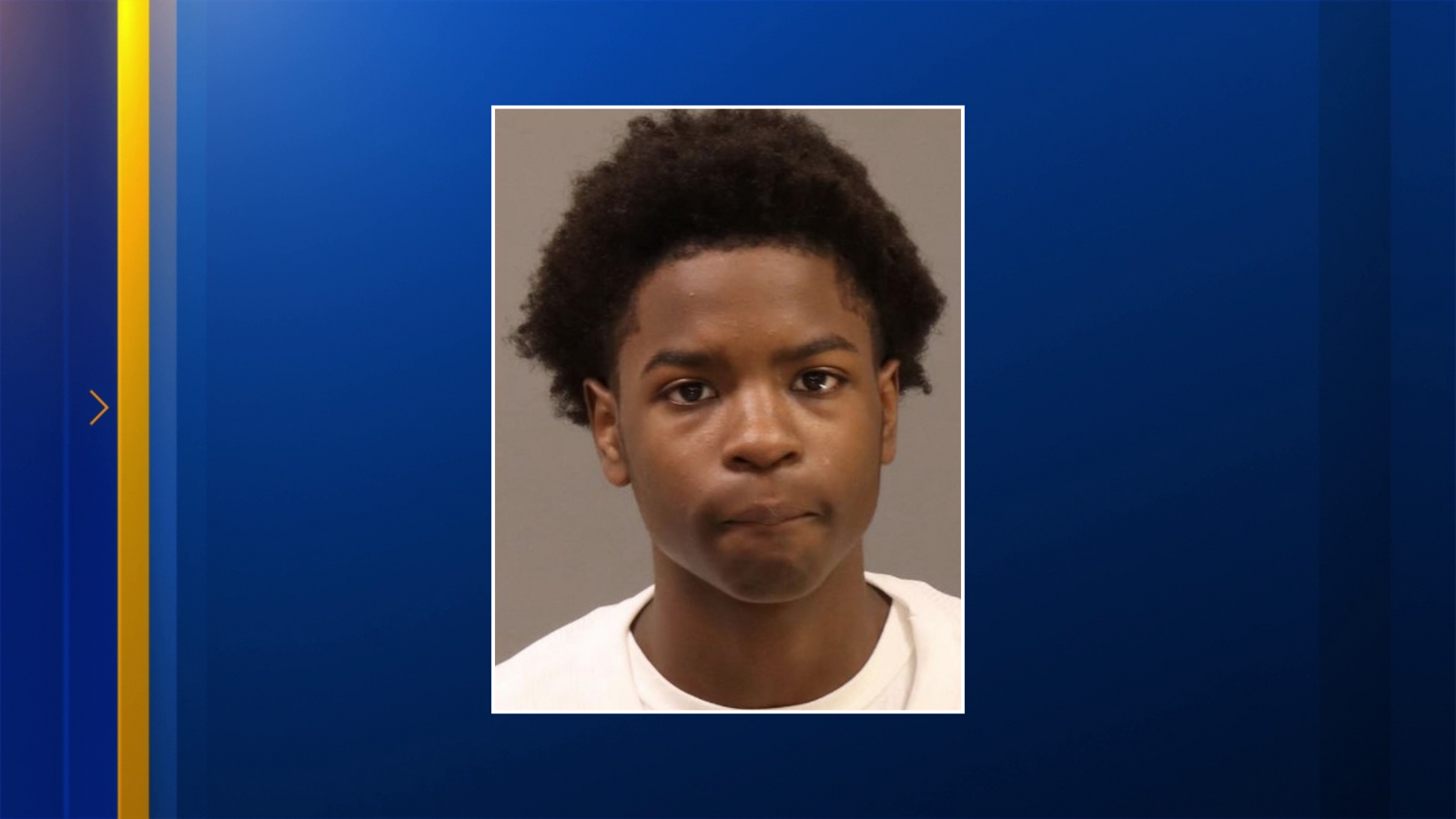
Fourteen-year-old Sincere Camps was arrested and charged as an adult with murder, robbery and gun offenses in the shooting death of pizza delivery driver Anshul Kuncha.
The Crime
Philadelphia police arrested 14-year-old Sincere Camps in the killing of pizza delivery driver Anshul Kuncha. Investigators say Kuncha was lured to a vacant unit at Raymond Rosen Homes by an order placed shortly before he was shot.
Kuncha, 28, arrived with pizzas during the overnight hours of June 5 into June 6. Officers responding to reports of gunfire found him unresponsive with a wound to the back of the head. He was taken to a hospital and pronounced dead.
Police said the address used for the delivery was vacant. Pizza boxes were found inside, and surveillance video allegedly showed two people in dark clothing following Kuncha after he left his vehicle. Investigators also worked with the phone number used to place the order.
Camps was arrested on July 10 and charged with murder, robbery, firearm offenses and related counts. Authorities described robbery as the motive. Public reports did not fully explain whether a second participant had been identified or charged.
The defendant’s age makes the case legally and socially difficult. Pennsylvania law permits some murder cases involving juveniles to begin in adult criminal court, although defense attorneys may seek transfer or raise developmental evidence during later proceedings.
Kuncha was an Indian national working as a delivery driver. His death highlighted the vulnerability of workers who must approach unfamiliar homes at night while carrying cash, food or equipment. The criminal case will focus on the accused, while businesses and communities may also examine verification procedures for late-night deliveries.
Case Details
| Crime Location | Raymond Rosen Homes, 2300 block of Edgley Street in North Philadelphia |
|---|---|
| Date and Time | June 5–6, 2026, shortly after midnight; Camps was arrested July 10 |
| Investigating Agencies | Philadelphia Police Department Homicide Unit and Philadelphia District Attorney’s Office |
| Suspect or Subject | Sincere Camps (age 14) |
| Bond or Detention | Custody details were not consistently stated; the juvenile faced the murder case in the adult criminal system under Pennsylvania law |
| Conviction | None reported. The charges remained pending. |
| Sentence | None reported. |
| Current Outcome | Fourteen-year-old Sincere Camps was arrested and charged as an adult with murder, robbery and gun offenses in the shooting death of pizza delivery driver Anshul Kuncha. |
| Victim Information | Anshul Kuncha, 28, a pizza delivery driver and Indian national, was shot in the back of the head and died at a hospital. |
Charges and Legal Issues
- Murder
- Robbery
- Firearm offenses and other related charges reported by police
Understanding the Court Status
Criminal charges are formal accusations. They identify the offenses prosecutors believe the available evidence supports, but they do not establish guilt. The government carries the burden of proving every required element beyond a reasonable doubt. The accused may challenge searches, statements, identification procedures, expert conclusions and the credibility of witnesses.
Early charging documents can change. Prosecutors may amend counts, seek an indictment, dismiss allegations or add charges when new evidence develops. Bond decisions address release, public safety and court appearance; they are not a punishment or a verdict. This article therefore separates allegations from convictions and sentences.
Public reporting rarely contains the complete investigative file. Video, laboratory reports, medical records, telephone data, sworn testimony and forensic comparisons may become available later. Any major update, plea, dismissal, trial verdict or sentence should be added to the same case record rather than presented as though the earliest account were final.
Evidence and Unresolved Questions
The central events occurred at Raymond Rosen Homes, 2300 block of Edgley Street in North Philadelphia. The agencies publicly associated with the matter are Philadelphia Police Department Homicide Unit and Philadelphia District Attorney’s Office. Their files may include dispatch recordings, photographs, interviews, body-camera or surveillance video, forensic submissions and records created during arrest, medical treatment or booking. Only part of that material is normally public at the beginning of a prosecution or investigation.
The reported legal issues include Murder, Robbery, Firearm offenses and other related charges reported by police. Each count or possible offense has its own required elements. Evidence that supports one theory may not establish another, and questions involving intent, causation, identity, justification or accomplice liability can become separate disputes.
The reported victim information is: Anshul Kuncha, 28, a pizza delivery driver and Indian national, was shot in the back of the head and died at a hospital. Victims and surviving relatives may participate through notifications, impact statements or restitution requests, depending on the jurisdiction and outcome. They may also choose not to disclose medical or personal details publicly.
The current reported outcome is: Arrested and charged after detectives connected him to the order and surveillance evidence. That description is a snapshot rather than a prediction. Hearings can move, charging decisions can change and investigations can produce conflicting interpretations before a court resolves them.
News reports often compress a complicated record into a few paragraphs. A probable-cause statement, search-warrant affidavit, laboratory report or appellate opinion may later clarify details that were omitted from the first police summary. The newest verified court filing should control when it conflicts with an earlier account.
Cases involving gunfire can raise technical questions about trajectory, distance, firearm function, cartridge cases, wounds and digital location evidence. Those subjects require expert testimony and authenticated records. A photograph or social-media post can be relevant, but its meaning depends on when it was created, who controlled the account and whether investigators can establish the surrounding context.
Motive is frequently discussed before it is proven. A dispute, robbery theory, relationship conflict or alleged plan may explain why investigators focused on a person, but motive does not replace proof of the charged conduct. Responsible coverage distinguishes the government’s theory from a judicial finding.
Violent incidents affect people beyond those named in the court caption. Relatives may face funeral costs, medical treatment and long-term trauma. Neighbors, workers and first responders may have witnessed disturbing events or provided emergency aid. Those consequences do not determine guilt, but they explain the public interest in a careful and transparent process.
Public access develops in layers. An initial release may be followed by an indictment, motions, hearing testimony, plea papers, a verdict, sentencing documents or an appellate mandate. A complete case record should eventually identify the disposition of every count rather than treating the most serious allegation as the automatic outcome.
Verified updates should be added when the controlling record materially changes. Unconfirmed social-media claims, unattributed screenshots and recycled headlines should not be used to fill gaps in the evidence.
Photographs require the same discipline as text. A booking image may document who was arrested, while a scene photograph may document location or police activity. Neither image proves the allegation. Captions should identify the source and should not imply that a generated illustration is an authentic photograph.