Louisiana Rape Case Sentencing
Rapper Mystikal, whose legal name is Michael Lawrence Tyler, received a 20-year prison term after pleading guilty to third-degree rape under a deal that reduced the original first-degree rape exposure.
Guilty plea: March 2026 | Sentence: June 16, 2026 | Prison term: 20 years
Summary
Rapper Mystikal was sentenced to 20 years in prison in Louisiana on June 16, 2026 for a rape committed at his Prairieville-area home in 2022. His legal name is Michael Lawrence Tyler.
The conviction did not come from a jury verdict. Tyler pleaded guilty in March to third-degree rape under a negotiated agreement that reduced the original first-degree rape charge and capped his sentencing exposure. The judge ultimately imposed the full 20 years available under that deal.
That distinction is the central correction in this update. The previous article said a Louisiana jury convicted Mystikal, which was materially wrong. A guilty plea and a jury conviction are different procedural events, and a case record should not substitute one for the other.
The 2022 case
Tyler was arrested in 2022 after a woman accused him of assaulting and raping her at his home. The original prosecution included a first-degree rape allegation along with other counts arising from the encounter.
Public reporting described allegations that the woman was beaten, choked and sexually assaulted. Those facts were accusations during the prosecution, but the later guilty plea means the article can accurately state that Tyler admitted third-degree rape, the offense of conviction.
He remained jailed without bond for much of the case. The lengthy pretrial period ended when the parties reached the March 2026 plea agreement instead of proceeding to the scheduled trial.
The March guilty plea
Under the deal, Tyler pleaded guilty to third-degree rape. That reduced the potential punishment from the mandatory life sentence associated with the original first-degree rape charge to a sentencing cap of 20 years.
A plea agreement is not the same thing as a dismissal for lack of evidence. It is a negotiated resolution in which a defendant admits a specified crime, often in exchange for reduced charges, a sentencing limit or dismissal of other counts.
Reporting also indicated that Tyler later tried to withdraw the plea before sentencing. The court nevertheless proceeded with the agreement in place, and the June sentencing became the final completed event controlling this article’s status.
June 16 sentencing
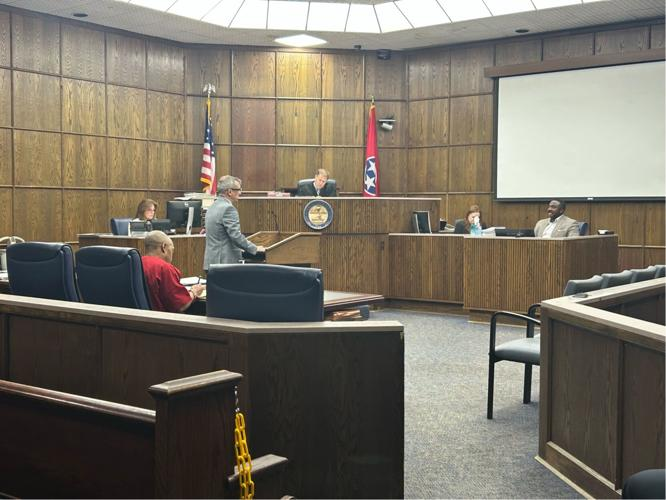
At the sentencing hearing, the victim addressed the court and sought a severe sentence. Tyler also spoke during the proceeding. The judge imposed 20 years, the maximum term allowed by the negotiated cap reported in the case coverage.
The sentence is therefore not a prediction or statutory maximum quoted out of context. It is the actual prison term ordered after the guilty plea.
For publication purposes, June 16 is the correct case-update date. The March plea was an important earlier milestone, but sentencing is the later completed substantive court event.
Prior history and what it does not change
Mystikal has prior criminal history involving sexual violence and sex-offender registration, which received substantial attention in coverage of the 2026 sentence. That history can explain why the case drew national attention, but it should not be used to blur the legal basis of the current conviction.
The 2026 punishment rests on the third-degree rape plea in the 2022 case. Earlier prosecutions are separate matters with their own records and outcomes.
Likewise, the fact that Tyler is a well-known performer does not change the standard for describing the case. The article uses his stage name because it is how he is widely known, while identifying Michael Lawrence Tyler as the defendant’s legal name.
Current status
The current status is no longer “charges pending.” Tyler stands convicted by guilty plea and has been sentenced to 20 years in prison.
Any later appeal, post-conviction motion, sentence modification or release decision would require a new update. None of those later developments was established in the source set reviewed for this case.
The corrected article therefore closes the central procedural gap: plea in March, sentencing on June 16, and a 20-year prison term.
Why plea accuracy matters in this case
Describing Tyler as convicted by a jury would create two false impressions: that prosecutors proved the charged case at trial and that jurors selected the offense of conviction. Neither happened. The negotiated plea reduced the charge to third-degree rape, Tyler admitted that offense, and the sentencing judge later selected a 20-year term within the agreement’s cap. Those procedural facts affect how readers should understand both the conviction and the punishment.
The distinction also matters for any later appeal or post-conviction litigation. A defendant who pleads guilty generally raises a different set of issues than a defendant challenging a jury verdict, including questions about whether the plea was knowing and voluntary. Reporting that Tyler tried to withdraw the plea before sentencing is therefore relevant context, but it does not change the fact that the guilty plea remained in effect when the court imposed sentence.
The sentencing record also makes clear that the 20-year figure is the punishment actually imposed, not merely the maximum discussed when the plea was entered. That lets the updated headline state the outcome directly without overstating any unresolved count from the original indictment. It also gives readers a clean endpoint for the current case chronology.
Sources
- Associated Press: Mystikal sentenced to 20 years
- WBRZ: Louisiana sentencing hearing
- The Guardian: March guilty plea
- Variety: 20-year prison sentence
This article corrects a material error in the prior version. Mystikal was not convicted by a jury in this case; he pleaded guilty to third-degree rape and was later sentenced to 20 years in prison.