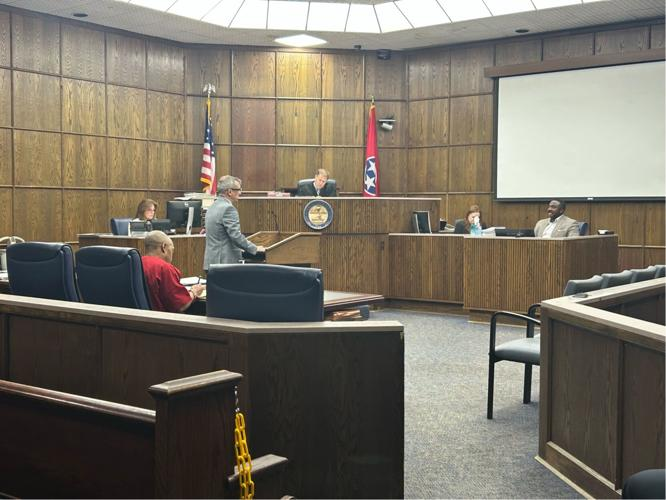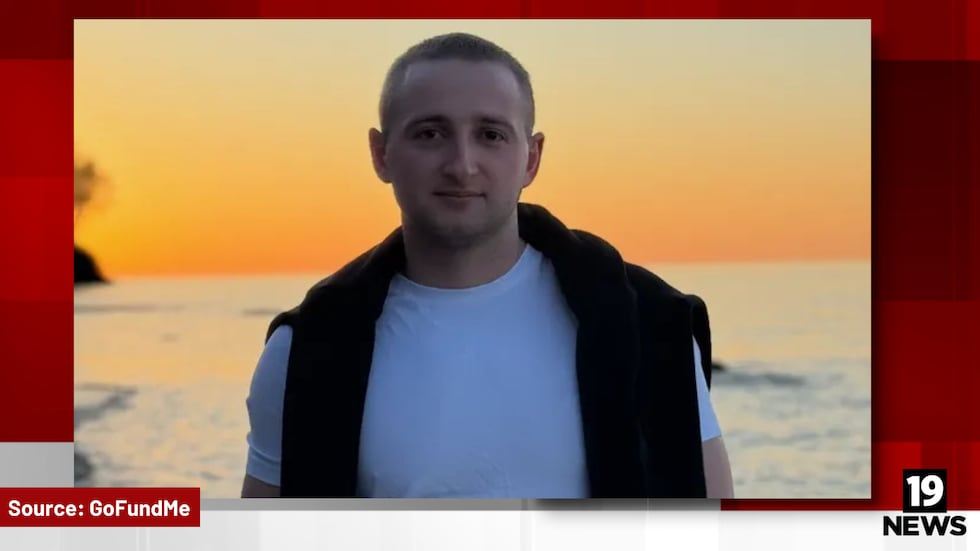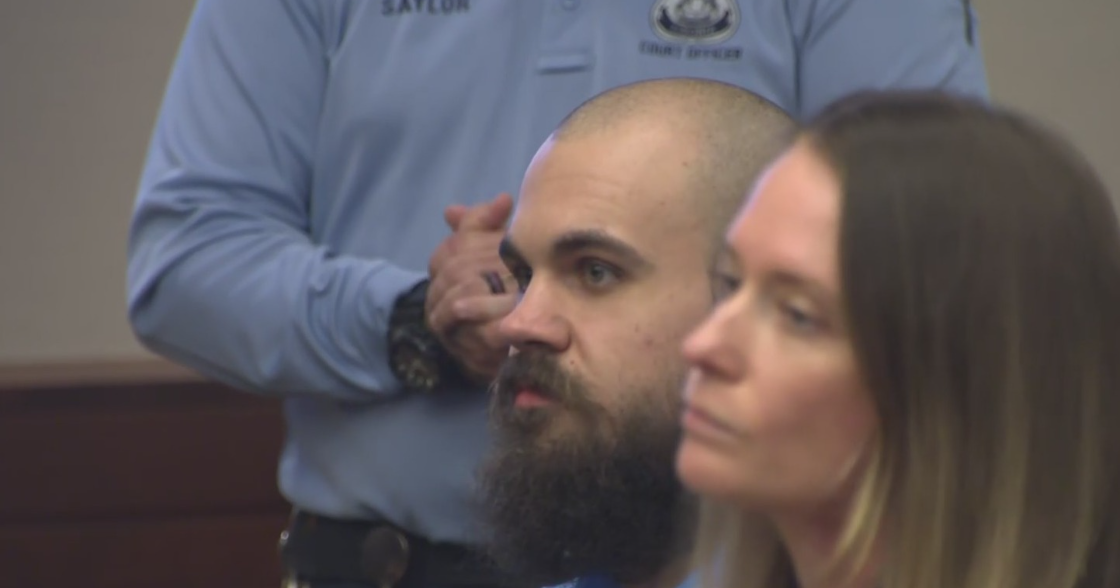
Gage Wade Pierce was charged with four first-degree murder counts and related felonies in the Livonia shooting deaths of four family members and loved ones.
The Crime
Wayne County prosecutors charged Gage Wade Pierce with four counts of first-degree murder and four firearm counts after four people were found fatally shot in a Livonia home. Police said Pierce was present when officers arrived and was taken into custody without a continuing search for another shooter.
The victims were identified as Pierce’s parents, Sterling Pierce and Holly Kimball; his brother, Tanner Pierce; and Tanner’s girlfriend, Nevaeh Finch. Officers found the victims in separate areas of the residence after responding to a reported shooting on Rensellor Street.
Authorities described the event as a domestic-violence mass homicide. Public reports said a semiautomatic rifle was allegedly used. A dog inside the home was also wounded and received veterinary treatment.
The prosecutor’s announcement states that each death supports a separate first-degree murder count. The accompanying felony-firearm counts allege possession or use of a firearm during the commission of each felony.
Pierce was denied bond. First-degree murder in Michigan can carry life imprisonment without parole if the state proves premeditation and the other required elements. The charging document, however, remains an accusation until tested in court.
Investigators had not publicly provided a complete motive in the reviewed reports. The relationships inside the home make family history and communications potentially important, but those subjects must be established through evidence rather than assumptions about domestic conflict.
Case Details
| Crime Location | A residence in the 19300 block of Rensellor Street in Livonia, Michigan |
|---|---|
| Date and Time | June 9, 2026, at approximately 5:30 p.m. |
| Police or Investigating Agencies | Livonia Police Department and Wayne County Prosecutor’s Office |
| Suspect or Subject | Gage Wade Pierce (age 25) |
| Charges or Legal Issues | Four counts of first-degree murder; Four counts of felony-firearm |
| Bond or Detention | Remanded to jail without bond after arraignment |
| Conviction | None reported. The eight felony counts remained pending. |
| Sentence | None reported. |
| Current Outcome | Gage Wade Pierce was charged with four first-degree murder counts and related felonies in the Livonia shooting deaths of four family members and loved ones. |
| Victim Information | Sterling Pierce, 58; Holly Kimball, 53; Tanner Pierce, 22; and Nevaeh Finch, 21, were killed. A dog was also reported wounded. |
Charges and Legal Issues
- Four counts of first-degree murder
- Four counts of felony-firearm
Understanding the Court Status
The charges in this case are accusations rather than findings of guilt. The prosecution must prove every required element beyond a reasonable doubt, and the defense may challenge identity, intent, causation, statements, searches, forensic conclusions and witness reliability.
Bond and pretrial detention decisions address flight risk, public safety and compliance with court orders. They are not criminal punishment and do not decide whether the allegations are true. Charges may also be amended, dismissed or narrowed as the evidence develops.
Early reports rarely include the complete investigative file. Court motions, laboratory results, authenticated video, medical evidence and sworn testimony may clarify or contradict details contained in an initial police release or probable-cause summary.
Evidence, Context and Unresolved Questions
The central events were reported at A residence in the 19300 block of Rensellor Street in Livonia, Michigan. The agencies publicly associated with the matter are Livonia Police Department and Wayne County Prosecutor’s Office. Their records may include dispatch audio, photographs, interviews, warrants, surveillance material, forensic submissions and medical or booking documentation.
The reported legal issues include Four counts of first-degree murder, Four counts of felony-firearm. Each offense has distinct elements. Proof that supports one count may not establish another, particularly when intent, causation, justification, accomplice liability or a defendant’s precise role is disputed.
The public victim information is: Sterling Pierce, 58; Holly Kimball, 53; Tanner Pierce, 22; and Nevaeh Finch, 21, were killed. A dog was also reported wounded. Victims and surviving relatives may receive notice of hearings, provide impact statements and request restitution where the law allows. They may also choose to keep medical and personal details outside the public record.
The currently reported outcome is: Arrested at the scene and formally charged in the deaths of four people inside the family residence. That description is a procedural snapshot, not a prediction. Hearings can be rescheduled, charges can change and later evidence may alter how investigators or lawyers describe the case.
A reliable timeline separates the incident date from the dates of arrest, indictment, plea, verdict, sentence or appeal. News reports sometimes compress those stages into one narrative, which can make an old event appear newly committed when the actual development is a later court filing.
Physical evidence must be authenticated and interpreted in context. Firearms, cartridge cases, wounds, vehicle damage, phone records and location data can narrow possibilities, but expert testimony may be needed to explain what the evidence can and cannot establish.
Witness accounts can be essential and imperfect at the same time. Stress, distance, lighting, prior relationships and conversations with other witnesses may affect memory. Investigators commonly compare statements with recordings, digital records and scene evidence before relying on them.
Motive may explain an investigative theory but does not replace proof of the charged conduct. A family conflict, robbery theory, relationship dispute, alleged retaliation or financial argument must still be connected to the accused through admissible evidence.
Photographs require the same discipline as written reporting. A booking image documents an arrest, while a scene photograph documents a location or police response. Neither proves guilt. A generated editorial illustration must be clearly identified and must not be presented as the real accused, victim or crime scene.
Several news stories may originate from the same police release. The number of links therefore does not automatically equal independent confirmation. A stronger record combines official material with local reporting, court coverage and later outcome reporting when those sources are publicly available.
Violent incidents affect more than the names in a court caption. Families can face funeral costs, medical treatment, lost income and trauma. Neighbors, coworkers and first responders may also carry lasting effects after witnessing or responding to the event.
Verified updates should be attached to the same case record when the controlling facts materially change. Unattributed screenshots, speculative social-media claims and recycled headlines should not be used to fill gaps in the public evidence.
A court record should be preferred over a headline when the two use different terminology. Statutes distinguish between completed and attempted offenses, principal and accomplice liability, and intentional and reckless conduct. Those distinctions can materially change the maximum sentence and the factual finding associated with a conviction.
The absence of a publicly reported lawyer, bond amount or hearing date does not establish that the information does not exist. Local docket systems and newsrooms update at different speeds. Later coverage should confirm those procedural details from the controlling court rather than converting an early omission into a permanent fact.