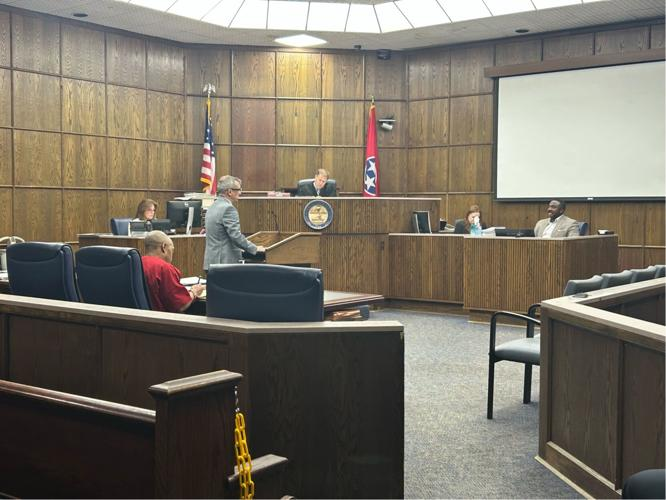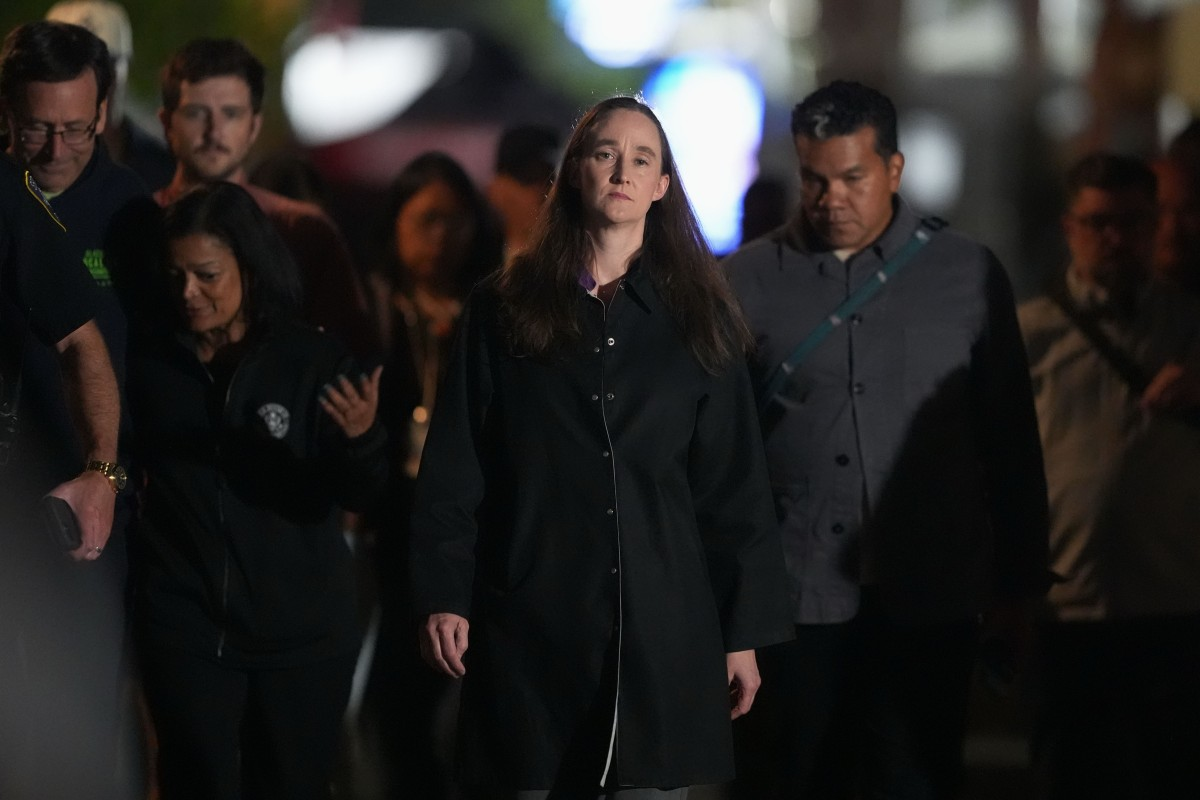
A Colorado appeals court reversed the criminally negligent homicide convictions of paramedics Jeremy Cooper and Peter Cichuniec and ordered retrials; Cichuniec’s separate assault conviction remained intact.
The Crime
A Colorado appellate court reversed the criminally negligent homicide convictions of former Aurora paramedics Jeremy Cooper and Peter Cichuniec in the death of Elijah McClain. The ruling did not erase the entire case: Cichuniec’s second-degree assault conviction for the unlawful administration of drugs remained in place.
McClain, a 23-year-old unarmed Black man, was stopped by Aurora police in August 2019 after a caller described him as suspicious. Officers restrained him, and paramedics administered ketamine. He lost vital signs and died several days later. The encounter became a national focus of protests, medical-policy reviews and renewed criminal investigation.
Cooper and Cichuniec were convicted in December 2023 of criminally negligent homicide. Cichuniec was also convicted of assault. The appeals court concluded that the trial judge did not adequately answer a jury question about the professional standard of care applicable to the homicide count.
The jury’s request was central because criminal negligence requires more than a bad outcome. Jurors must evaluate whether conduct represented a gross deviation from the standard a reasonable professional would follow. The appellate court found that the absence of a proper clarification undermined confidence in the homicide verdicts.
The ruling permits new trials on the homicide counts unless a higher court changes the decision or prosecutors choose another course. Cichuniec’s surviving assault conviction continues to carry legal consequences and may require the trial court to reconsider how the remaining sentence should be structured.
The attorney general announced an intention to seek further review. McClain’s family and supporters viewed the reversal as another painful delay, while emergency-medical professionals examined what the decision meant for clinical judgment, training and criminal liability.
Case Details
| Crime Location | Aurora, Colorado, with the appeal decided by the Colorado Court of Appeals |
|---|---|
| Date and Time | The encounter occurred August 24, 2019; the appellate ruling was issued in June 2026 |
| Investigating Agencies | Colorado Court of Appeals, Colorado Attorney General’s Office, Aurora Police Department and Aurora Fire Rescue |
| Suspect or Subject | Jeremy Cooper and Peter Cichuniec |
| Bond or Detention | Not applicable to the appellate ruling |
| Conviction | The homicide convictions were reversed. Cichuniec’s second-degree assault conviction remained in place. |
| Sentence | Cooper had received jail and probation; Cichuniec had received a five-year prison sentence before the appellate ruling altered the judgments. |
| Current Outcome | A Colorado appeals court reversed the criminally negligent homicide convictions of paramedics Jeremy Cooper and Peter Cichuniec and ordered retrials; Cichuniec’s separate assault conviction remained intact. |
| Victim Information | Elijah McClain, 23, died after police restraint and administration of ketamine by paramedics. |
Charges and Legal Issues
- Criminally negligent homicide convictions reversed for both paramedics
- Second-degree assault conviction against Peter Cichuniec affirmed
Understanding the Court Status
An appellate reversal does not necessarily declare that a defendant was factually innocent. It means the reviewing court found a legal error significant enough to disturb the judgment. The result may be a new trial, dismissal, resentencing or further review by a higher court.
When one count is reversed and another is affirmed, the case returns to the trial court in a narrower posture. The surviving conviction remains legally important, while prosecutors must decide whether to retry the reversed count and the defense may seek additional review.
Appellate opinions frequently turn on jury instructions, evidentiary rulings or the legal definition applied at trial. Those questions are distinct from the emotional and factual disputes surrounding the underlying death.
Evidence and Unresolved Questions
The central events occurred at Aurora, Colorado, with the appeal decided by the Colorado Court of Appeals. The agencies publicly associated with the matter are Colorado Court of Appeals, Colorado Attorney General’s Office, Aurora Police Department and Aurora Fire Rescue. Their files may include dispatch recordings, photographs, interviews, body-camera or surveillance video, forensic submissions and records created during arrest, medical treatment or booking. Only part of that material is normally public at the beginning of a prosecution or investigation.
The reported legal issues include Criminally negligent homicide convictions reversed for both paramedics, Second-degree assault conviction against Peter Cichuniec affirmed. Each count or possible offense has its own required elements. Evidence that supports one theory may not establish another, and questions involving intent, causation, identity, justification or accomplice liability can become separate disputes.
The reported victim information is: Elijah McClain, 23, died after police restraint and administration of ketamine by paramedics. Victims and surviving relatives may participate through notifications, impact statements or restitution requests, depending on the jurisdiction and outcome. They may also choose not to disclose medical or personal details publicly.
The current reported outcome is: The homicide counts were eligible for retrial or further appellate review; Cichuniec’s assault judgment survived. That description is a snapshot rather than a prediction. Hearings can move, charging decisions can change and investigations can produce conflicting interpretations before a court resolves them.
News reports often compress a complicated record into a few paragraphs. A probable-cause statement, search-warrant affidavit, laboratory report or appellate opinion may later clarify details that were omitted from the first police summary. The newest verified court filing should control when it conflicts with an earlier account.
Cases involving gunfire can raise technical questions about trajectory, distance, firearm function, cartridge cases, wounds and digital location evidence. Those subjects require expert testimony and authenticated records. A photograph or social-media post can be relevant, but its meaning depends on when it was created, who controlled the account and whether investigators can establish the surrounding context.
Motive is frequently discussed before it is proven. A dispute, robbery theory, relationship conflict or alleged plan may explain why investigators focused on a person, but motive does not replace proof of the charged conduct. Responsible coverage distinguishes the government’s theory from a judicial finding.
Violent incidents affect people beyond those named in the court caption. Relatives may face funeral costs, medical treatment and long-term trauma. Neighbors, workers and first responders may have witnessed disturbing events or provided emergency aid. Those consequences do not determine guilt, but they explain the public interest in a careful and transparent process.
Public access develops in layers. An initial release may be followed by an indictment, motions, hearing testimony, plea papers, a verdict, sentencing documents or an appellate mandate. A complete case record should eventually identify the disposition of every count rather than treating the most serious allegation as the automatic outcome.
Verified updates should be added when the controlling record materially changes. Unconfirmed social-media claims, unattributed screenshots and recycled headlines should not be used to fill gaps in the evidence.
Photographs require the same discipline as text. A booking image may document who was arrested, while a scene photograph may document location or police activity. Neither image proves the allegation. Captions should identify the source and should not imply that a generated illustration is an authentic photograph.