A judge found probable cause against DeKendrick Crawford in the Brookwood double-murder case and sent the capital-murder prosecution toward a Tuscaloosa County grand jury.
| Location | Brookwood, Tuscaloosa County, Alabama |
|---|---|
| Defendant | DeKendrick Breon Crawford, 24 |
| Victims | Jose Felix Alvarez-Duenas, 31, and Jazmine Alexis Bates, 22 |
| Charge | Capital murder |
| Custody | Held without bond |
| Latest Event | Probable-cause ruling, July 23, 2026 |
| Next Stage | Grand-jury consideration |
What Happened
Brookwood police entered a residence during a welfare check on July 6, 2026 and found Jose Felix Alvarez-Duenas shot in the living area. Investigators later found University of Alabama student Jazmine Alexis Bates shot in a bedroom closet. A dog at the residence was also found shot. Doorbell-camera footage and discarded property described in later court testimony became central pieces of the investigation that led authorities to DeKendrick Crawford.
The People at the Center of the Case
Alvarez-Duenas was 31 and the father of three children. Bates was 22 and a University of Alabama student. Investigators said Crawford knew both victims and had also worked with people connected to the residence. Public reporting after the preliminary hearing described the victims as having been shot multiple times and emphasized that investigators had not identified conduct by either victim that justified the attack.
Charges and Court Posture
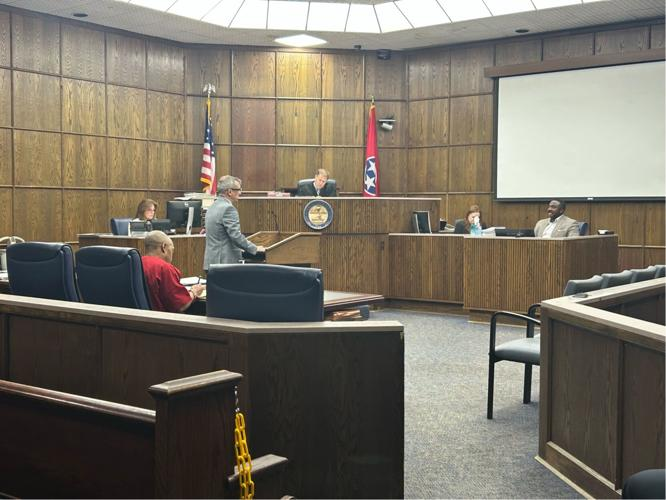
Crawford faces a capital-murder prosecution in the double killing and was held without bond. He also had a separate felony case alleging that he fired into an occupied building on the University of Alabama campus after losing a construction job. The preliminary hearings addressed whether prosecutors had enough evidence for the cases to continue, not whether Crawford was guilty beyond a reasonable doubt.
The Latest Verified Development
On July 23, District Judge Joanne Jannik found probable cause in the capital-murder matter and the separate shooting case. The double-homicide case was therefore sent forward for grand-jury consideration. Testimony described doorbell video, the victims’ belongings discarded outside, a phone and footwear recovered near the apartment complex where Crawford was arrested, and evidence recovered from Bates’ vehicle. The ruling materially supersedes the older headline that merely said a hearing was coming.
Why the Update Changes the Earlier Headline
The earlier version captured an older procedural stage. The verified development described above changes what a reader needs to know now. this updated article therefore replaces the stale headline and chronology rather than simply appending a sentence to an outdated account. It distinguishes the underlying allegations from later pleas, rulings or sentences and does not treat a police theory as a court finding unless the later record supports that distinction.
Evidence and Investigative Record
The public record in this case contains evidence described by investigators, prosecutors, witnesses or court reporting. Those descriptions matter because they explain why authorities acted, but they are not interchangeable with proof beyond a reasonable doubt. Where reporting attributes surveillance, physical evidence, witness statements, digital records or forensic material to investigators, this article keeps that attribution. It does not infer missing facts or convert an allegation into an established fact merely because the allegation appears repeatedly.
What the Court Decision Does and Does Not Mean
The latest procedural event narrows the status of the case, but its legal meaning depends on the stage. A probable-cause ruling permits a prosecution to move forward without deciding guilt. A guilty plea or no-contest plea resolves specified charges but may leave sentencing issues. A sentence determines punishment on the resolved counts. A custody ruling concerns release rather than guilt. This article uses the precise stage supported by the reviewed sources and avoids implying a broader judicial finding than the record shows.
Date Used for Publication
The article date follows the publication-date standard of using the later of the underlying crime date or the most recent verified completed substantive case development. Future hearings, scheduled trials and expected filings do not count as completed outcomes. When an older archive does not expose the exact courtroom timestamp, the dated case report identifying the completed disposition is used and the limitation is stated rather than inventing a more precise date.
Current Status
This article now reflects the latest completed development located in the available case record. Later verified events can supersede it, including amended charges, grand-jury action, additional arrests, bond changes, pleas, verdicts, sentencing decisions, dismissals or appellate rulings. Until such a development is verified, the status described here is the current documented status for Crimes of the Week.
Editorial Standard
Crimes of the Week separates accusation, adjudication and punishment. Names and charges are used only when supported by case-specific reporting or official records, and victims are identified only when authorities or reliable reporting have made that information public. The article avoids unsupported motive claims, unnecessary personal details and generic legal filler. the purpose of this article is to preserve a case-specific chronology readers can understand without confusing an arrest, a charge, a court ruling and a conviction.
What the Preliminary Hearing Added
The July 23 hearing supplied details that were not available when the hearing was merely scheduled. Investigators testified about the timing shown on the doorbell camera, the recovery of Alvarez-Duenas’ phone and identification, items discarded near the apartment complex, and Bates’ vehicle. Those details explain the judge’s probable-cause decision without establishing that every prosecution inference will survive later testing. The defense can still challenge identification, collection procedures, forensic interpretation and the state’s theory before a jury. Grand-jury consideration is also a distinct step from the preliminary hearing. The judge’s ruling allowed the prosecution to continue; it did not return a trial verdict. Updating the article at this point gives readers the actual result of the scheduled hearing instead of leaving the case frozen one step before a consequential court decision. That later ruling is now the controlling procedural milestone for publication.
Sources
- WVTM 13, July 23, 2026
- Tuscaloosa Patch, July 23, 2026
- WBRC, July 23-24, 2026
- ABC 33/40, July 24, 2026
- Tuscaloosa Patch, July 15, 2026
DeKendrick Crawford is accused and remains entitled to the presumption of innocence. A probable-cause ruling is not a conviction.