Austin Multi-Shooting Prosecution
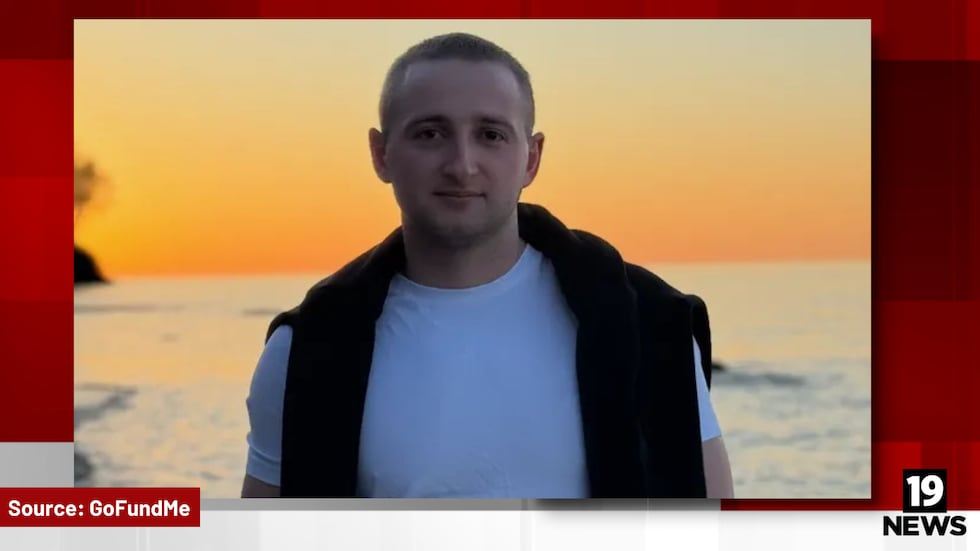
Cristian Fajardo Mondragon, 17, faces a Texas terrorism charge after police linked him and two younger teens to a 36-hour series of shootings, stolen vehicles and gun-related offenses.
Shooting spree: May 16–17, 2026 | Three suspects arrested: May 17 | Terrorism charge reported: June 23
Summary
An Austin shooting-spree investigation moved into unusual legal territory when prosecutors added a terrorism charge against 17-year-old Cristian Fajardo Mondragon. Police had already linked Mondragon and two younger teenagers to a string of shootings, stolen vehicles and firearm offenses across Austin during May 16 and 17, 2026.
Austin police publicly identified Mondragon because, at 17, he had reached the age at which Texas law allowed his identity to be released in connection with filed criminal charges. The two other suspects were 15 and 16, so police withheld their names and much of their juvenile-case information.
The terrorism count reported on June 23 is the controlling update for this article. It does not mean a court has found that the conduct legally qualifies as terrorism. It means the prosecution chose to test that theory in a criminal case that already involved multiple aggravated-assault and deadly-conduct allegations.
The May shooting series
Austin Police said the violent incidents occurred over roughly 36 hours. Investigators believed some shootings were targeted while others appeared random. Four people were shot, and reporting also described another person injured by shattered glass.
The investigation covered far more than one shooting scene. Police connected stolen vehicles, a stolen firearm, surveillance footage, ballistic evidence and numerous reports across different parts of Austin. Fire department facilities and private property were among the places struck by gunfire in the broader series.
The scale of the response reflected that uncertainty. Officers were trying to stop an active sequence of crimes while also determining whether apparently separate calls were connected. By May 17, police had all three suspected teenagers in custody.
Why the terrorism charge stands out
Most shooting cases are prosecuted through homicide, assault, weapons, criminal mischief or organized-crime statutes. A terrorism count adds a different legal theory focused on conduct intended to intimidate or coerce civilians or influence governmental action under the applicable statute.
That is why the charge drew statewide attention. Prosecutors still have to prove the statutory elements with evidence tied to intent and conduct, not merely show that the shootings frightened the public. The defense can challenge whether the facts fit the terrorism statute even if other firearm or assault charges survive.
The case may therefore shape how Texas courts interpret a comparatively unusual charge in a domestic shooting-spree context. This article does not predict how that legal question will be resolved. It records that the count was filed and remains contested.
Evidence described by police
APD said investigators were reviewing ballistic evidence, surveillance footage, witness statements and recovered property. The initial police release also laid out a detailed timeline of vehicle thefts, gun theft and shooting reports, allowing investigators to compare weapons and suspect movements across the city.
A major issue in a multi-scene prosecution is attribution. The state must connect particular defendants to particular acts rather than simply treat the entire weekend as one undifferentiated event. Evidence such as phone location, video, recovered firearms and ballistic matches can become central to that process.
Because two suspects are juveniles, their proceedings may follow different rules and may not be publicly accessible in the same way as Mondragon’s case. Their anonymity should not be treated as evidence that they were uninvolved or that charges were dropped; it reflects juvenile-record protections.
Current status
The latest verified procedural development used for this case is the June 23 terrorism charge against Mondragon. Public reporting still described the prosecution as pending.
No reliable source in the reviewed set established a guilty plea, trial verdict, dismissal or sentence. The article therefore uses “faces” and “charged” language rather than describing the allegations as proven facts.
Future court rulings may be especially significant because they could narrow or define the terrorism theory before trial. Until such an order is verified, the correct status is that Mondragon is accused under that statute along with other alleged offenses arising from the May shooting spree.
Why the case needs careful wording
The word “terrorism” can imply conclusions far beyond what a charging instrument actually establishes. In this case it is the name of a criminal count prosecutors chose to file against Mondragon. The filing does not establish an ideological organization, political motive, or connection to an international terrorist group. Public police reporting instead describes a fast-moving series of shootings in which investigators believed some attacks were targeted and others appeared random.
That distinction protects the accuracy of both the crime report and the legal record. The article can explain why prosecutors believe the Texas statute applies without converting the charge into a broader label for the defendant. If a court later dismisses the terrorism count, upholds it after a challenge, or a jury returns a verdict on it, that later ruling will provide a much firmer description of what the statute means in this case.
The terrorism count also came after the initial police announcement, so the June 23 date supersedes the May arrest date for publication. The later charge is a genuine procedural development, not simply a second story describing the same arrests.
Sources
- Austin Police: May shooting-spree investigation
- CBS Austin: terrorism charge filed
- KUT: Cristian Mondragon faces terrorism charge
- News 4 San Antonio: Texas terrorism-charge analysis
Cristian Fajardo Mondragon is accused, not convicted. The terrorism count is a filed legal theory that prosecutors must prove; the two younger suspects are not named here because police treated them as juveniles.