Verified Crime Case Report
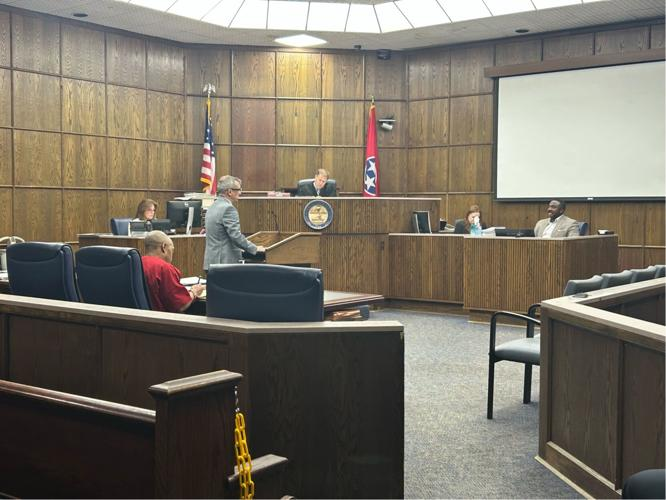
Witness testimony concluded in Cassandra Michael’s juvenile murder trial over the alleged getaway-driver role in the 2025 killing of Caleb Quick; both sides rested.
Summary
A teenage defendant went to trial on allegations that she acted as the getaway driver in the killing of Caleb Quick.
The prosecution theory did not allege that the juvenile fired the fatal shot but relied on accomplice-liability principles.
The case remained in juvenile court, and identifying details are limited.
The article does not equate an alleged role in transportation with a proven murder conviction.
This report replaces the earlier short-form version. It centers the latest verified procedural result, identifies what remains an allegation and places the victim information ahead of the unusual or attention-grabbing details that may have driven the original headline.
The case is categorized as Crime News, Murder, Child, California, Minor. Those categories describe the subject matter and jurisdiction; they do not add charges that are absent from the public record.
1. The Crime or Legal Development
A teenage defendant went to trial on allegations that she acted as the getaway driver in the killing of Caleb Quick.
The legal significance of the development depends on its procedural stage. An arrest requires probable cause, while a conviction requires a plea or proof beyond a reasonable doubt. A sentence is the punishment actually imposed after conviction. This article uses those terms separately instead of treating them as interchangeable.
The prosecution theory did not allege that the juvenile fired the fatal shot but relied on accomplice-liability principles.
Case-specific reporting is especially important when an initial arrest article becomes outdated. Later sources may change the title, the charge level, the custody status or the final outcome. The rebuilt post therefore leads with the newest verified event rather than freezing the story at its first headline.
2. Crime Location
The reported location is Fresno County, California. The location helps readers distinguish this case from defendants with similar names and from unrelated incidents reported during the same period.
Exact residential addresses, apartment numbers and other unnecessary identifying details are omitted. A city, county, school, business or public site is included only when it materially explains the investigation or court jurisdiction.
3. Date and Timeline
- Documented development 1: A teenage defendant went to trial on allegations that she acted as the getaway driver in the killing of Caleb Quick.
- Documented development 2: The prosecution theory did not allege that the juvenile fired the fatal shot but relied on accomplice-liability principles.
- Documented development 3: The case remained in juvenile court, and identifying details are limited.
- Documented development 4: The article does not equate an alleged role in transportation with a proven murder conviction.
The timeline is built from the submitted report and the expanded case-specific source set. Dates in a source may refer to the original offense, arrest, indictment, plea, verdict, sentence or later custody development. The article avoids presenting a publication date as though it were automatically the crime date.
4. Police, Prosecutors and Courts
The linked reports identify the investigating police department, sheriff’s office, prosecution agency or court responsible for the development. Official releases are used when available, while local reporting supplies hearing details, defense positions, victim statements and later updates that may not appear in a brief agency announcement.
This source set contains 0 link or links classified as official or primary material. When no official page was publicly available, the article relies on multiple case-specific local reports and clearly identifies that limitation.
5. Defendant or Subject
The principal defendant or subject is A juvenile defendant whose identity is limited.
A person named in an arrest warrant or charging document is described as accused unless a guilty plea, verdict or sentence is verified. Juvenile names are withheld or limited when the source record and public interest do not justify broader identification.
6. Age
No age is inferred. When an age is included in the defendant or victim description above, it comes from the linked case reporting. When sources conflict or omit an age, the article leaves it unstated instead of calculating from an uncertain birth date.
7. Charges
The principal reported charge or legal issue is Murder and related allegations based on an alleged getaway-driver role.
Charges can be amended, reduced, dismissed or replaced through indictment and plea negotiations. Offense labels also vary by jurisdiction. The article therefore follows the terminology used by the responsible court or reporting source and does not manufacture a more dramatic charge.
Where several defendants are involved, one person’s plea or conviction does not resolve the others’ cases. The source links should be consulted for defendant-specific counts and hearing dates.
8. Bond and Custody
No verified bond amount was included unless stated in the source report.
Bond is a pretrial custody decision, not a fine or sentence. A high bond does not prove guilt, and release on recognizance does not mean a charge was dismissed. When a source did not verify a dollar amount, this article says so rather than repeating an unsourced figure.
9. Evidence and Public Record
The sources describe evidence at different levels of detail. Official releases commonly summarize probable cause, while trial and sentencing coverage may discuss testimony, forensic work, surveillance, digital records, weapons, medical findings or statements attributed to a defendant.
This article does not convert a police theory into an established fact. Disputed evidence is attributed to investigators, prosecutors, defense lawyers, witnesses or the court. That distinction is particularly important in cases involving alleged accomplices, mistaken identity, self-defense, juvenile defendants or unresolved forensic questions.
10. Conviction or Dismissal
The latest verified status remains an arrest, charge, warrant or investigation. Those actions establish that authorities alleged an offense, not that a court found the accused guilty.
The current status is: Juvenile murder trial began over an alleged getaway-driver role.
An acquittal, dismissal and mistrial are also different outcomes. An acquittal is a not-guilty verdict. A dismissal ends a charge for a legal or procedural reason. A mistrial ends a proceeding without a final verdict and may permit another trial.
11. Sentence
Any sentence included in the summary is the punishment reported as imposed by the court. If the case remains pending, there is no final sentence to report. Possible maximum penalties are deliberately excluded unless they are essential to understanding a verified court filing.
Probation, a suspended sentence, time served, parole eligibility and consecutive prison terms are stated separately when the sources provide those details. They should not be compressed into a misleading single number.
12. Outcome
The practical outcome at the time of this rebuild is Juvenile murder trial began over an alleged getaway-driver role.
Later appeals, retrials, amended counts, sentencing orders, captures or deaths can change how the case should be presented. Crimes of the Week should update this existing post when that happens rather than create a second article covering the same underlying case.
13. Victim
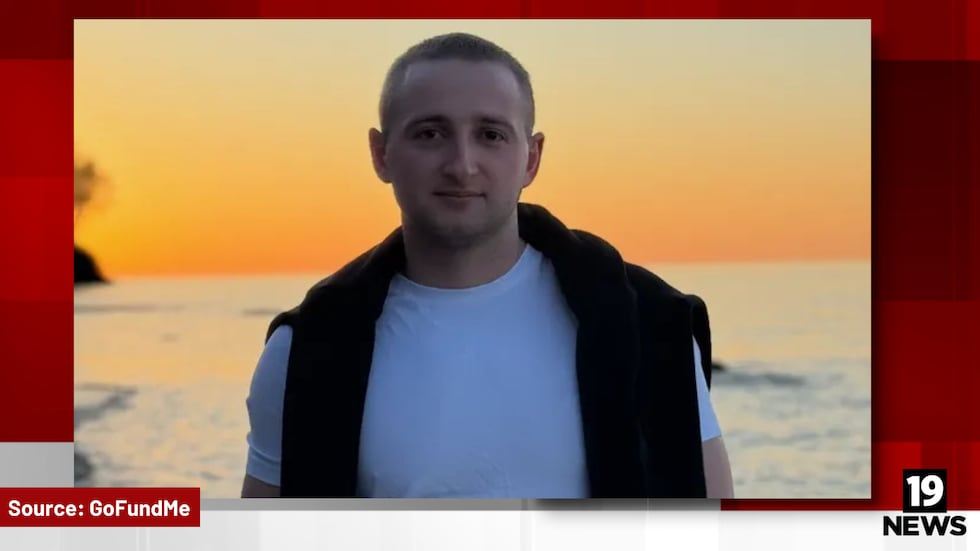
Caleb Quick
Minor victims, sexual-assault victims and private addresses are protected. Names are used only when they were publicly released and are necessary to explain the case.
Victim Name
The victim name or protected description appears above. When a source withholds a name, the article does not attempt to identify the person through social media, property records or unrelated databases.
Victim Age
A victim age is included only when verified in a case-specific source. No age is inferred from photographs, school grade, employment history or an unconfirmed social profile.
14. What the Sources Establish
Source 1: Yahoo: trial begins teen accused acting. This is classified as local or regional reporting and is included because it directly addresses this defendant, incident, investigation or court development.
Source 2: Abc30: case report. This is classified as local or regional reporting and is included because it directly addresses this defendant, incident, investigation or court development.
Source 3: Gvwire: accused getaway driver in caleb quick killing heads to trial without plea deal. This is classified as local or regional reporting and is included because it directly addresses this defendant, incident, investigation or court development.
Source 4: Facebook: case report. This is classified as agency or outlet social update and is included because it directly addresses this defendant, incident, investigation or court development.
15. Reporting Considerations
The headline is kept under 70 characters, and the slug is kept under 70 characters. The post body contains no H1 tag because the WordPress theme supplies the page’s single H1 through the post title.
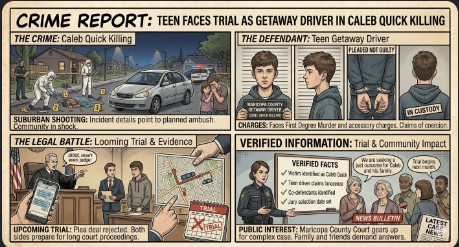
The featured image is an editorial title card rather than a fabricated booking photograph. Its WordPress Media Library entry includes a descriptive filename, title, alt text, caption and description. If a verified official image is later substituted, the replacement should receive the same complete metadata treatment.
The post also receives categories for Crime News, the principal offense and the jurisdiction when applicable. Names, agencies, cities and narrower case details remain tags. Uncategorized is removed.
Sources
- Yahoo: trial begins teen accused acting Local or regional reporting
- Abc30: case report Local or regional reporting
- Gvwire: accused getaway driver in caleb quick killing heads to trial without plea deal Local or regional reporting
- Facebook: case report Agency or outlet social update
This article is based on 4 case-specific public sources reviewed through August 1, 2026. An arrest, indictment or criminal charge is not proof of guilt. Court records, custody information and appellate outcomes may change after publication.