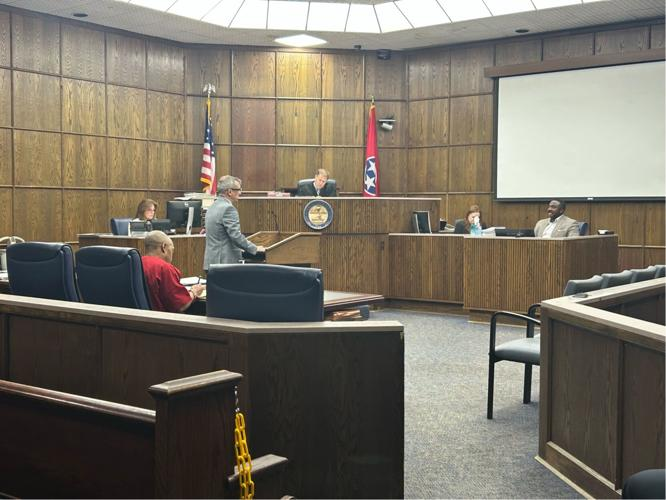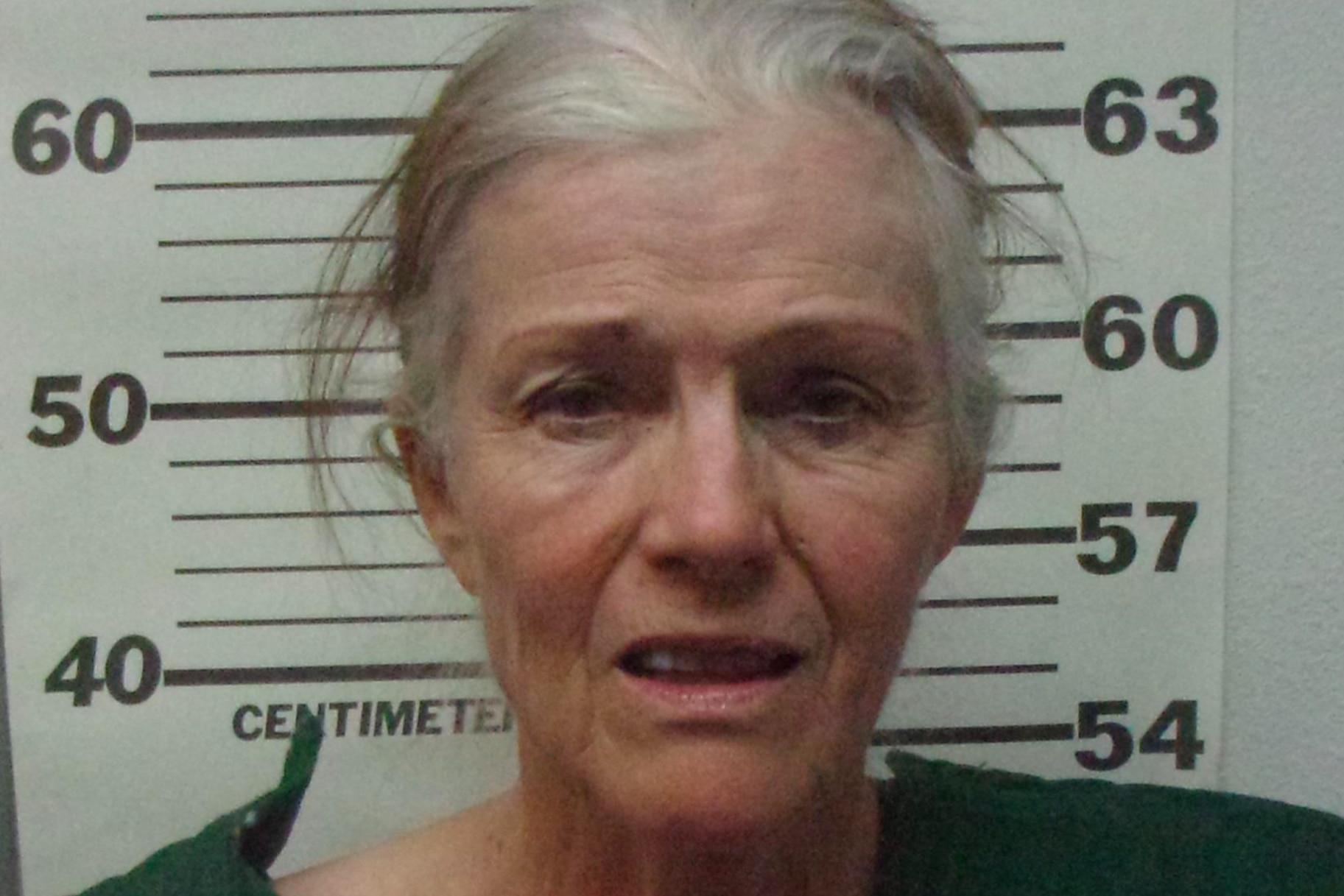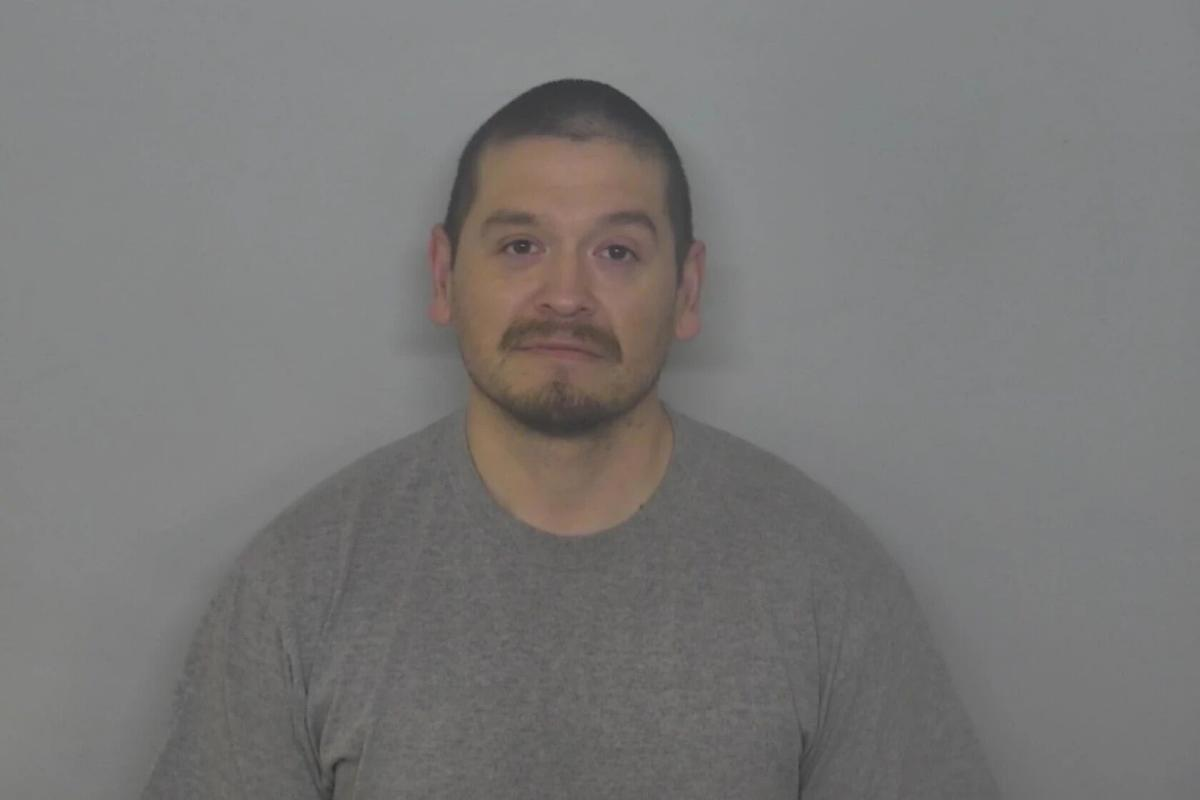
A federal grand jury indicted Brutus Claymore on first-degree murder in a 2014 Fort Yates stabbing investigated by the FBI and Bureau of Indian Affairs Missing and Murdered Unit.
The Crime
A federal grand jury indicted Brutus Claymore on a first-degree murder charge connected with a fatal 2014 home invasion in Fort Yates. Claymore is an enrolled member of the Standing Rock Sioux Tribe.
The Justice Department alleges that Claymore forcibly entered an occupied home at night and attempted to rob the residents. When one resident resisted, prosecutors say Claymore stabbed that person with a knife, causing death.
The indictment followed a years-long investigation by the FBI and the Bureau of Indian Affairs Missing and Murdered Unit. The case was also identified as part of the Justice Department’s regional outreach work concerning missing or murdered Indigenous people.
Federal jurisdiction rests on statutes governing certain serious crimes in Indian Country. Jurisdiction is a legal framework, not proof of the underlying allegation.
The public federal release did not name the deceased resident. This article therefore does not attempt to identify the victim through unofficial speculation.
A grand-jury indictment means prosecutors presented enough information to formally charge the case. It does not disclose the full evidence and does not establish guilt.
Case Details
| Crime Location | An occupied residence in Fort Yates, North Dakota |
|---|---|
| Date and Time | November 22, 2014; federal indictment announced May 20, 2026 |
| Police or Investigating Agencies | FBI, Bureau of Indian Affairs Missing and Murdered Unit and U.S. Attorney’s Office for the District of North Dakota |
| Suspect or Subject | Brutus Claymore (age 36) |
| Charges or Legal Issues | Federal first-degree murder under 18 U.S.C. §§ 1153 and 1111 |
| Bond or Detention | Public reports indicated a detention hearing occurred; the controlling federal docket should be consulted for current conditions |
| Conviction | None reported. A federal indictment is an accusation. |
| Sentence | None reported. |
| Current Outcome | A federal grand jury indicted Brutus Claymore on first-degree murder in a 2014 Fort Yates stabbing investigated by the FBI and Bureau of Indian Affairs Missing and Murdered Unit. |
| Victim Information | The publicly accessible federal release did not identify the resident who was fatally stabbed. |
Charges and Legal Issues
- Federal first-degree murder under 18 U.S.C. §§ 1153 and 1111
Understanding the Court Status
The charges in this case are accusations rather than findings of guilt. The prosecution must prove every required element beyond a reasonable doubt, and the defense may challenge identity, intent, causation, statements, searches, forensic conclusions and witness reliability.
Bond and pretrial detention decisions address flight risk, public safety and compliance with court orders. They are not criminal punishment and do not decide whether the allegations are true. Charges may also be amended, dismissed or narrowed as the evidence develops.
Early reports rarely include the complete investigative file. Court motions, laboratory results, authenticated video, medical evidence and sworn testimony may clarify or contradict details contained in an initial police release or probable-cause summary.
Evidence, Context and Unresolved Questions
The central events were reported at An occupied residence in Fort Yates, North Dakota. The agencies publicly associated with the matter are FBI, Bureau of Indian Affairs Missing and Murdered Unit and U.S. Attorney’s Office for the District of North Dakota. Their records may include dispatch audio, photographs, interviews, warrants, surveillance material, forensic submissions and medical or booking documentation.
The reported legal issues include Federal first-degree murder under 18 U.S.C. §§ 1153 and 1111. Each offense has distinct elements. Proof that supports one count may not establish another, particularly when intent, causation, justification, accomplice liability or a defendant’s precise role is disputed.
The public victim information is: The publicly accessible federal release did not identify the resident who was fatally stabbed. Victims and surviving relatives may receive notice of hearings, provide impact statements and request restitution where the law allows. They may also choose to keep medical and personal details outside the public record.
The currently reported outcome is: Indicted after a renewed, years-long federal and tribal investigation. That description is a procedural snapshot, not a prediction. Hearings can be rescheduled, charges can change and later evidence may alter how investigators or lawyers describe the case.
A reliable timeline separates the incident date from the dates of arrest, indictment, plea, verdict, sentence or appeal. News reports sometimes compress those stages into one narrative, which can make an old event appear newly committed when the actual development is a later court filing.
Physical evidence must be authenticated and interpreted in context. Firearms, cartridge cases, wounds, vehicle damage, phone records and location data can narrow possibilities, but expert testimony may be needed to explain what the evidence can and cannot establish.
Witness accounts can be essential and imperfect at the same time. Stress, distance, lighting, prior relationships and conversations with other witnesses may affect memory. Investigators commonly compare statements with recordings, digital records and scene evidence before relying on them.
Motive may explain an investigative theory but does not replace proof of the charged conduct. A family conflict, robbery theory, relationship dispute, alleged retaliation or financial argument must still be connected to the accused through admissible evidence.
Photographs require the same discipline as written reporting. A booking image documents an arrest, while a scene photograph documents a location or police response. Neither proves guilt. A generated editorial illustration must be clearly identified and must not be presented as the real accused, victim or crime scene.
Several news stories may originate from the same police release. The number of links therefore does not automatically equal independent confirmation. A stronger record combines official material with local reporting, court coverage and later outcome reporting when those sources are publicly available.
Violent incidents affect more than the names in a court caption. Families can face funeral costs, medical treatment, lost income and trauma. Neighbors, coworkers and first responders may also carry lasting effects after witnessing or responding to the event.
Verified updates should be attached to the same case record when the controlling facts materially change. Unattributed screenshots, speculative social-media claims and recycled headlines should not be used to fill gaps in the public evidence.
A court record should be preferred over a headline when the two use different terminology. Statutes distinguish between completed and attempted offenses, principal and accomplice liability, and intentional and reckless conduct. Those distinctions can materially change the maximum sentence and the factual finding associated with a conviction.
The absence of a publicly reported lawyer, bond amount or hearing date does not establish that the information does not exist. Local docket systems and newsrooms update at different speeds. Later coverage should confirm those procedural details from the controlling court rather than converting an early omission into a permanent fact.
Public safety discussions should not be used to bypass individual proof. A serious event may expose broader problems involving domestic violence, firearm access, supervision or institutional procedure, while the criminal case still turns on the evidence attributed to a particular defendant.