Arianna Moss entered a six-month pretrial intervention program in May 2026 in the misdemeanor theft case involving a coworker’s Stanley tumbler at a Largo recreation center.
The December theft allegation
The case began at Highland Recreation Center in Largo, Florida, on December 29, 2025. Police said a 22-year-old employee had a light-blue 40-ounce Stanley tumbler worth about $60 at work. According to an arrest report, coworker and supervisor Arianna Moss, 29, was seen on surveillance video looking at the cup several times before placing it in her lunchbox and leaving the building.
A witness also told investigators that Moss had earlier commented that the tumbler would be useful for holding breast milk. That remark became the attention-grabbing detail in early coverage, but the legal allegation was ordinary misdemeanor theft: investigators said Moss knowingly took property belonging to another employee without permission. The public record does not establish that the cup was actually used for breast milk after it was taken.
Police arrested Moss in January 2026. The early case report says she was booked into county jail and released after her husband posted $150 bond. Moss had left her recreation-center job shortly after the December incident. At the arrest stage, the theft accusation remained unresolved.
The May 2026 pretrial intervention agreement
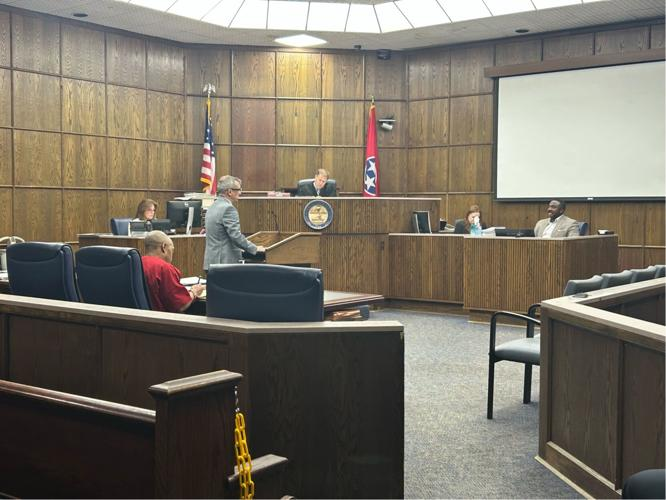
The most important later development came in a May 27, 2026 court filing. The Smoking Gun reported that Moss accepted a pretrial intervention agreement rather than taking the misdemeanor case directly to a conviction or trial. Under the reported terms, she agreed to complete a shoplifting-awareness course and pay fines and court costs. The agreement also barred contact with the recreation center.
The filing said the misdemeanor charge would be dismissed if Moss successfully completed the six-month intervention program. That makes the legal status more precise than either ‘convicted’ or ‘case dismissed.’ As of the May filing, she had entered a diversionary program with a conditional path to dismissal. Completion of the program is a future condition and should not be reported as if it has already happened.
This distinction is why the title now says Moss ‘enters PTI.’ Pretrial intervention is a substantive procedural outcome even though it is not a trial verdict. The case date is therefore May 27, 2026, the date of the court filing documenting the agreement, rather than the December theft date or the January arrest date.
What the surveillance evidence reportedly showed
The arrest report described video surveillance as a key piece of evidence. Police said the recording showed Moss repeatedly looking at the coworker’s cup and then concealing it in her lunchbox before departing. That evidence gave investigators more than a simple accusation from one employee against another. The publicly available reports, however, do not provide the full video or every statement collected during the investigation.
The witness statement about breast milk also helped explain why investigators believed Moss recognized the cup as the victim’s property. The witness said Moss had specifically commented on that tumbler before it disappeared. Still, the criminal charge concerned the alleged taking of the cup, not the unusual comment itself.
Because Moss accepted PTI, the case did not require a public jury finding on every disputed factual point. Diversion programs can resolve cases without a traditional adjudication of guilt. Accurate coverage should therefore describe the police evidence and the intervention agreement without converting either into a jury verdict.
What the current status means
As of the May 27 filing, Moss had obligations to complete before the charge could be dismissed. The reported six-month program means the final dismissal, if earned, would occur later. this update was reviewed on August 11, 2026, before six months had elapsed from the May agreement. No later case-specific filing confirming successful completion and dismissal was located in the available case-specific sources.
That timing matters for the site’s publish-date standard. The latest verified completed substantive development is entry into PTI, not a future dismissal that remains contingent. If a court record later confirms that Moss completed the program and the charge was dismissed, that later date should supersede May 27 and the article should be updated again.
The corrected version also keeps the theft amount and object in perspective. This was a misdemeanor case involving a used $60 tumbler, not a felony theft prosecution. The odd surrounding detail made the story widely shared, but the legal stakes and procedural status should remain accurately described.
Case timeline
December 29, 2025: Police say the Stanley tumbler was taken from a coworker at Highland Recreation Center. Surveillance video allegedly showed Moss concealing it in a lunchbox.
January 2026: Moss was arrested on a misdemeanor theft charge and released after $150 bond was posted.
May 27, 2026: A court filing documented a six-month pretrial intervention agreement requiring a shoplifting-awareness course, fines and costs, with dismissal conditioned on successful completion. This is the latest verified substantive case development used for the article date.
Additional record context
Pretrial intervention also changes how the article should be categorized in readers’ minds. Moss still faced a theft case, but the May filing shows prosecutors and the court were handling it through a diversionary path. The agreement is a real case outcome for the present moment, even though the ultimate dismissal remained conditional on completing the required steps.
The six-month duration means the case could not responsibly be labeled dismissed during the August 11 review simply by counting forward from May. Completion must be confirmed by a later court record. The updated article leaves that future event open instead of assuming success or failure.
Case-specific reporting notes
The intervention agreement also changes the meaning of the January arrest. Early coverage could only say that Moss had been accused of taking the cup and released on bond. By late May, the case had moved into a negotiated court-supervised resolution. That is a meaningful update because it tells readers what prosecutors actually chose to do with the misdemeanor instead of leaving the article frozen at the booking stage.
The source says dismissal depends on successful completion, so the article preserves that condition in both the body and case-status metadata. A future dismissal should be reported only when a docket or other reliable case-specific record confirms that the program requirements were completed and the court closed the charge.