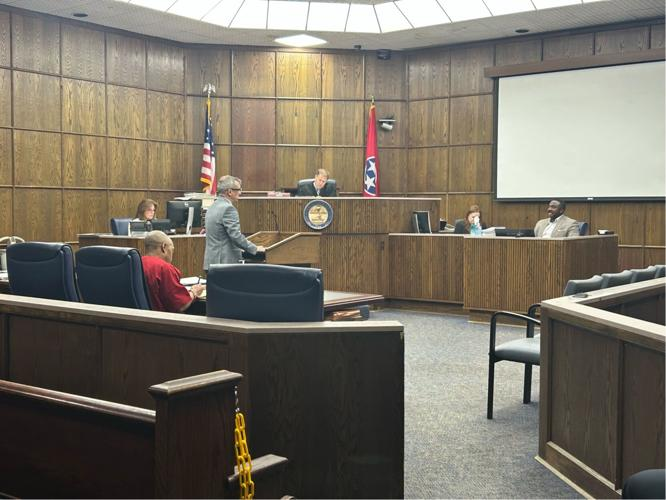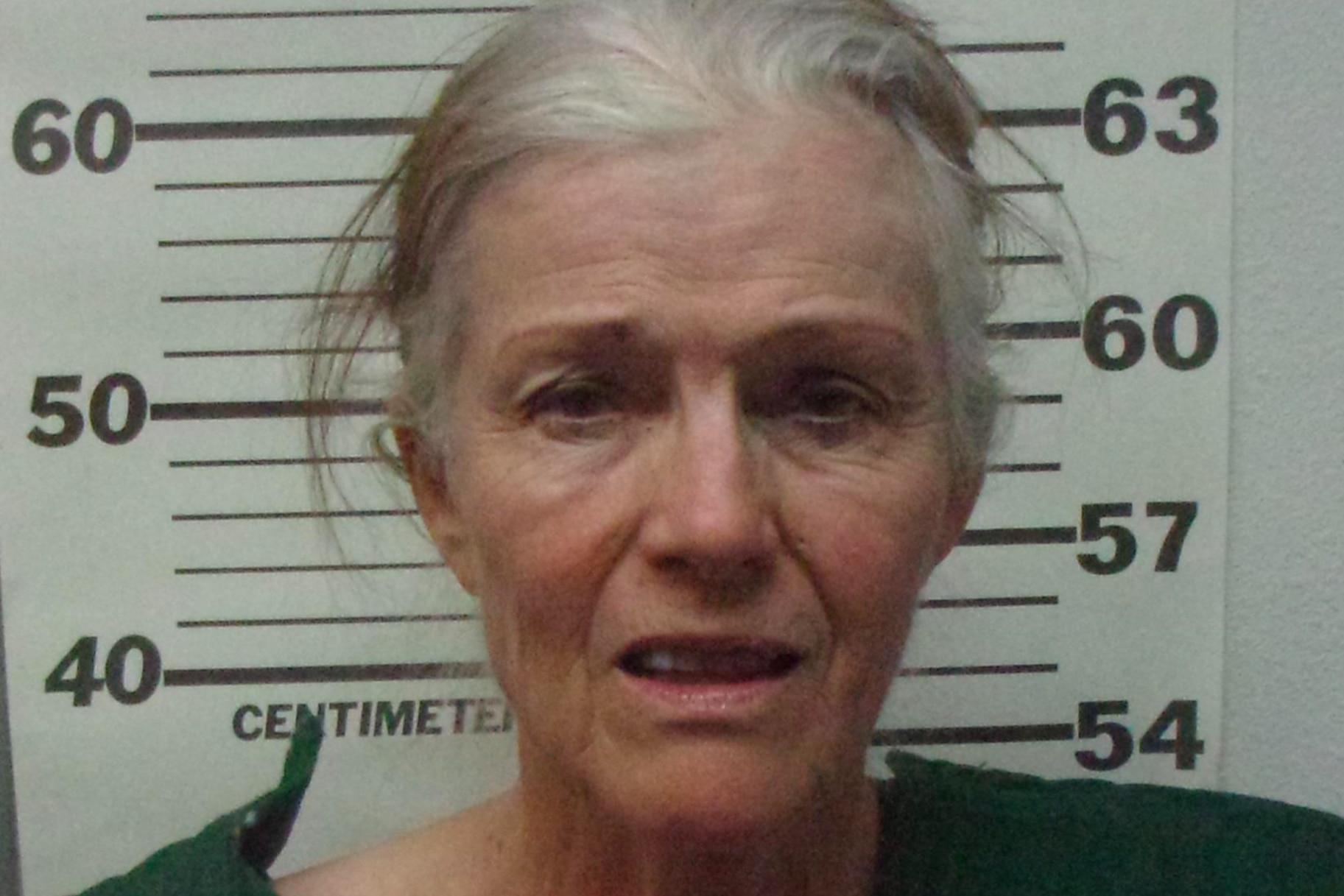
Isaiah Florentino Mattoon Pantoja made his first court appearance and was held without bail in the Vancouver Airbnb party shooting that killed London Walker.

Case Overview
The case summarized here concerns Isaiah Florentino Mattoon Pantoja and events reported in A short-term rental house in Vancouver, Washington. Authorities and case-specific reporting describe the principal allegations as second-degree murder and related firearm allegations, as reported during the first court appearance. The present legal posture is not a final judgment. The reviewed record shows that pantoja was arrested, appeared in court, and was held without bail while the murder prosecution remained pending.
This article separates the incident, the police investigation, the charging decision, pretrial custody, and any later court result. Those stages are not interchangeable. An arrest reflects a decision to take a person into custody. A criminal charge reflects an accusation approved through the applicable legal process. Neither event proves guilt. A conviction requires a valid guilty plea or a finding after trial, and no conviction is reported here unless the case summary expressly says otherwise.
| Crime Location | A short-term rental house in Vancouver, Washington |
|---|---|
| Date and Time | June 15, 2026, at approximately 12:37 a.m.; arrest and first-appearance reporting followed later in June |
| Investigating Agency | Vancouver Police Department and Clark County prosecutors |
| Defendant | Isaiah Florentino Mattoon Pantoja |
| Defendant Age | 19 |
| Charges | Second-degree murder and related firearm allegations, as reported during the first court appearance |
| Bond or Custody | Pantoja was ordered held without bail at the reported first appearance. |
| Conviction | No conviction reported. |
| Sentence | No sentence reported. |
| Current Outcome | Isaiah Florentino Mattoon Pantoja made his first court appearance and was held without bail in the Vancouver Airbnb party shooting that killed London Walker. |
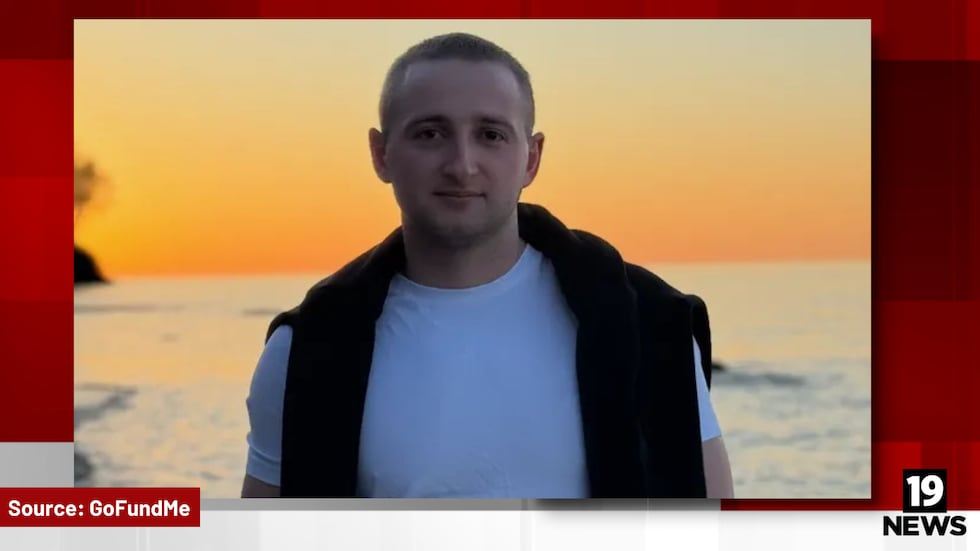
| Victim | London Jasiah Walker, 19, died from multiple gunshot wounds. Two other people were injured. |
The Crime and Reported Incident
Police responded shortly after midnight to a crowded party at a short-term rental.
London Jasiah Walker suffered multiple gunshot wounds and died.
Two other people were wounded during the incident.
Investigators arrested Isaiah Pantoja several days later.
At the reported first appearance, a judge ordered Pantoja held without bail while the case proceeded.
Taken together, the reviewed sources describe a case that moved from an emergency response into a focused criminal investigation. The location, timing, identities, medical outcomes, and alleged conduct are drawn from the cited case-specific records. Where one source provided an early description and a later source supplied a more developed account, the later verified procedural information controls without erasing the fact that the earlier report was preliminary.
Crime Location
The reported events are tied to A short-term rental house in Vancouver, Washington. Location matters because it identifies the responding agencies, the court system with authority over the charges, the physical scene that investigators processed, and the community affected by the alleged conduct. The public location description is kept broad enough to explain the case without republishing unnecessary private residential details.
A scene is more than an address. Investigators use its entrances, exits, lighting, camera coverage, distances, damage, vehicles, discarded objects, and relationship to surrounding streets to test competing accounts. Any map or scene description should be treated as context, not a substitute for photographs, measurements, laboratory work, or testimony admitted in court.
Date and Time
The central incident and later procedural developments were reported as follows: June 15, 2026, at approximately 12:37 a.m.; arrest and first-appearance reporting followed later in June. Dates are stated precisely when the reviewed records supply them. When a source reports only a broader period, this article does not manufacture a minute, hour, or filing date.
Timing may become important for emergency calls, travel, digital records, medical treatment, surveillance footage, warrants, and the sequence of arrests. Prosecutors must present a coherent timeline, while the defense may test gaps, conflicting clocks, delayed recollections, or assumptions about when an event occurred. A published timeline is therefore a guide to the allegations, not a judicial finding.
Police Department and Investigating Agencies
The agencies identified in the reviewed records include Vancouver Police Department and Clark County prosecutors. Their roles may differ. Patrol officers secure a scene and assist injured people; detectives conduct interviews and pursue leads; forensic personnel document and test evidence; prosecutors decide which charges to file or present; and courts decide warrants, release, admissibility, guilt, and sentence.
When several agencies participate, each transfer of evidence and information should be documented. Records from dispatch systems, body cameras, laboratories, hospitals, jails, and courts may be created on different schedules. A responsible case summary avoids implying that every agency independently confirmed every allegation. The cited sources are used for the points each source actually supports.
Defendant and Charges
The accused person or persons publicly identified in this record are Isaiah Florentino Mattoon Pantoja. The reported age information is 19. The principal charges are: Second-degree murder and related firearm allegations, as reported during the first court appearance. These labels describe the prosecution’s legal theory at the current stage; they do not permit the article to call an unconvicted person a murderer, shooter, kidnapper, robber, or other definitive criminal label.
A charging document ordinarily identifies statutory counts, alleged dates, victims or protected persons, and sometimes enhancements or special circumstances. The number of counts does not necessarily equal the number of incidents, and similar-sounding counts may require different proof. The exact elements, lesser-included offenses, and available defenses belong to the governing jurisdiction and the filed court record.
Bond Amount or Custody Status
Pantoja was ordered held without bail at the reported first appearance.
Pretrial detention and bond decisions evaluate release before trial under the applicable law. Courts may consider the charged offense, prior history, risk of flight, danger, compliance history, and proposed conditions. A denial of bond or a high bond can have serious practical consequences, but it is not a verdict. Likewise, release on conditions does not mean that charges were dismissed or that a court found the allegations untrue.
Conviction and Sentence
No conviction reported.
No sentence reported.
Because the case has not reached a reported final conviction and sentence, this article does not fill those fields with predictions. Potential penalties depend on the final offense of conviction, enhancements, criminal-history rules, plea terms, findings at trial, and sentencing law. Early news reports often quote maximum exposure, but a maximum is not the same as the sentence a court will impose.
Evidence and Allegations
The number of people at the party creates both opportunities and challenges for witness identification.
Investigators must reconcile witness accounts with video, phone records, firearm evidence, medical findings, and the physical layout of the house.
The prosecution must prove who fired the fatal shots and the mental state required for the charged homicide offense.
Any evidence of possession or use of a firearm must be connected to Pantoja through admissible proof rather than rumor from partygoers or social media.
The injuries to two surviving victims may provide additional trajectory, timing, and witness evidence, but each person’s account must be evaluated separately.
The existence of a police theory does not eliminate alternative explanations. The defense may challenge identification, intent, causation, possession, chain of custody, search procedures, statement admissibility, forensic interpretation, or the credibility of individual witnesses. The court decides which evidence can be admitted, and the factfinder decides what weight it deserves.
Chronology
- Vancouver police were dispatched to the party shortly after midnight on June 15.
- Officers and medical personnel found Walker and two other wounded people.
- Walker died, and detectives began a homicide investigation.
- Police arrested Pantoja on June 19, according to local reporting.
- Pantoja made a first court appearance and was ordered held without bail.
This chronology reflects the order supported by the reviewed records. It is intentionally narrower than a trial narrative. Discovery may reveal additional events, corrected times, or a different sequence. Updates should revise the existing post rather than create a competing article when the new information belongs to the same incident and procedural stage.
Victim Information
London Jasiah Walker, 19, died from multiple gunshot wounds. Two other people were injured.
Victim information is limited to details necessary to understand the public case. Private addresses, medical specifics not needed to explain the charges, and identifying information for protected or juvenile victims are omitted. A criminal prosecution is formally brought by the government, but the human consequences belong to the people injured, killed, displaced, or forced to participate in a difficult legal process.
Where a victim survived, the article avoids treating survival as evidence that the alleged act was minor. Where a person died, it avoids using grief as a shortcut around proof. Accurate reporting can acknowledge harm while still preserving the accused person’s legal rights and the distinction between allegation and conviction.
Court Status and Current Outcome
Pantoja was arrested, appeared in court, and was held without bail while the murder prosecution remained pending.
The next reliable update may be an amended charge, indictment, preliminary hearing, competency issue, release decision, plea, trial ruling, verdict, dismissal, sentencing, or appeal. Until one of those events is confirmed by a court, prosecutor, police agency, corrections record, or reliable case-specific reporting, the present status should remain described as pending.
If a later development is part of the same prosecution, the existing article should be updated in place so readers encounter one coherent record. A separate article is appropriate only for a materially distinct and independently newsworthy stage, such as a later verdict, sentencing, acquittal, dismissal, reversal, or major appeal ruling.
Sources
- columbian.com: case-specific report or official record
- facebook.com: case-specific report or official record
- columbian.com: case-specific report or official record
- kptv.com: case-specific report or official record
Disclaimer: This article summarizes allegations, official statements, court information, and case-specific reporting available through August 6, 2026. A criminal charge is not proof of guilt. The defendant is presumed innocent unless convicted. Later court records may correct or expand the information reported here.