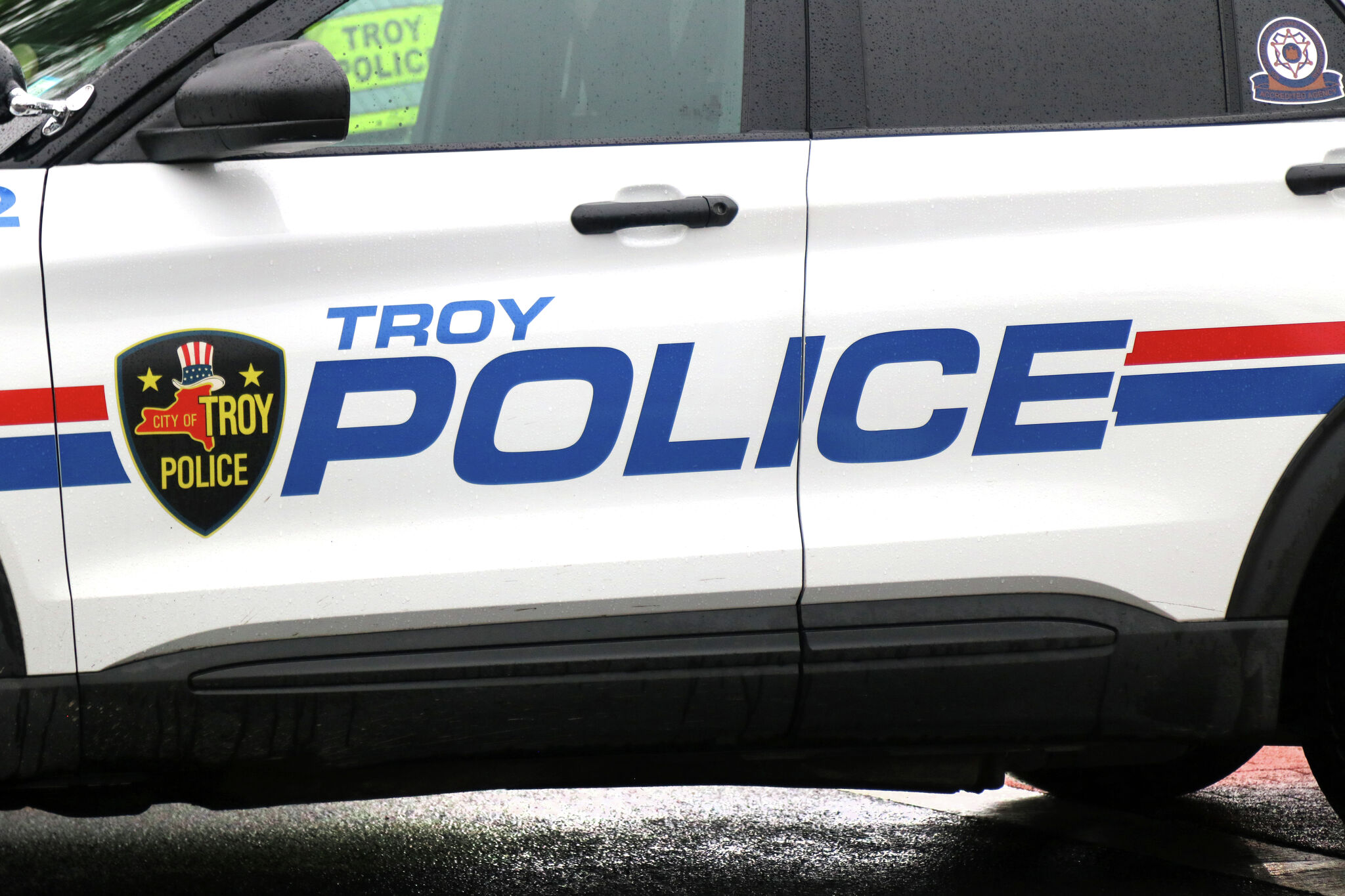
Troy Murder and Gang-Assault Case
The case advanced beyond the original arrests: a grand jury indicted Noah Anderson, Rhannad Burch and Savion Camano on murder and gang-assault counts, and all three pleaded not guilty.
Fatal attack: June 13, 2026 | Indictments announced: June 22 | Arraignments: June 23
Summary
Three men arrested after a fatal early-morning fight in Troy later faced a more serious and uniform set of charges when a Rensselaer County grand jury returned indictments. Noah Anderson, Rhannad Burch and Savion Camano were each charged with second-degree murder and first-degree gang assault.
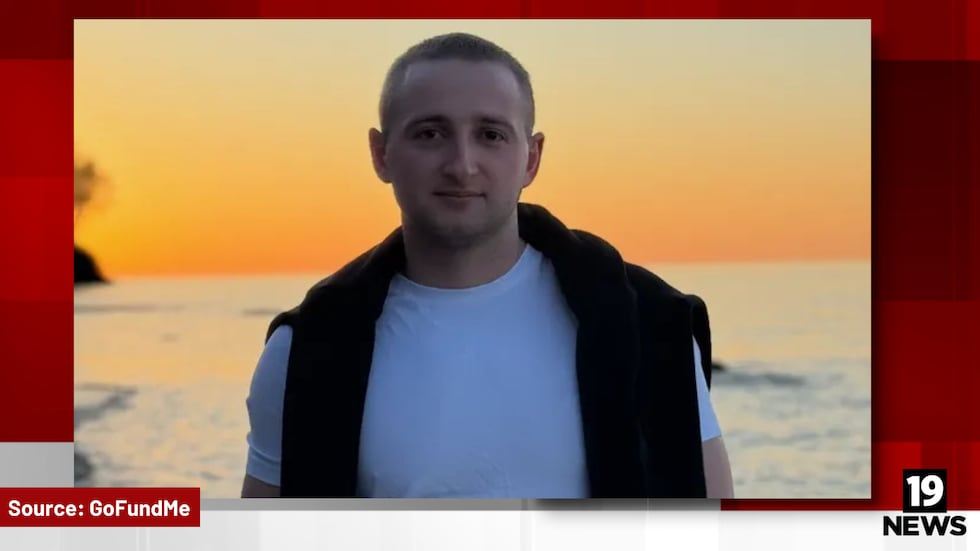
The victim was identified as Sammy Vielle, 37, of Troy. Police found him unresponsive after a confrontation near Fulton Street and Fifth Avenue. He was taken to Samaritan Hospital, where he was pronounced dead.
At the arrest stage, the charging picture was not identical for all three men. Anderson initially faced the murder count while Burch and Camano were reported on gang-assault allegations. The grand-jury action changed that posture by indicting all three on murder and gang assault.
What authorities allege happened
Police and local reporting describe an argument that escalated into a group assault in the early hours of June 13. Investigators used surveillance footage and other evidence from the downtown area to identify participants and locate the three suspects.
Reporting based on court records said Vielle was stabbed during the assault and also struck by other participants. The precise role attributed to each defendant can matter greatly at trial, especially in a group-attack prosecution where prosecutors may rely on accomplice or shared-liability theories.
Camano was also treated for knife wounds after the confrontation. Public reports did not establish every detail of how the fight began or whether every person possessed a weapon. Those disputed facts remain issues for the criminal process rather than assumptions for this article.
Grand jury indicts all three
On June 22, the Rensselaer County District Attorney announced that a grand jury had indicted Anderson, Burch and Camano on second-degree murder and first-degree gang assault. A grand-jury indictment means prosecutors presented sufficient evidence to obtain formal felony charges; it is not a finding of guilt.
The indictment is a substantive change from the earliest arrest reports because it puts all three defendants under the same two major counts. That later charging instrument controls this updated article.
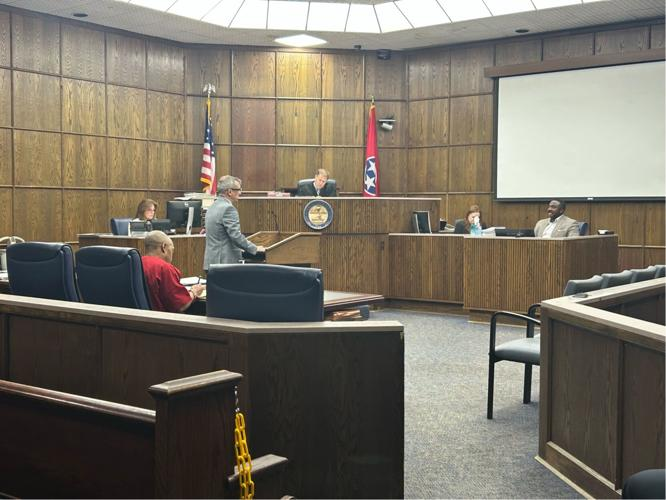
The defendants were then arraigned in Rensselaer County Court. WNYT reported that all three pleaded not guilty. A not-guilty plea preserves the defendants’ right to challenge the prosecution’s evidence and requires the state to prove the charges if the cases proceed to trial.
The legal difference between murder and gang assault
Second-degree murder is the homicide count at the center of the prosecution. First-degree gang assault addresses serious physical injury caused when a group participates in the assault under circumstances defined by New York law. The same incident can support both counts if the prosecution proves the required elements.
Because the allegations involve several people, the prosecution does not necessarily need to claim that every defendant performed the identical physical act. Courts can consider theories of accessorial liability when a person intentionally aids another in committing an offense. Whether that theory fits these facts will depend on the evidence and instructions used in court.
The indictment therefore should not be simplified into a claim that investigators say all three men personally inflicted the same wound. The public record supports group murder and gang-assault charges, while the precise conduct attributed to each defendant remains a matter for the case.
Current posture
The latest verified development reviewed for this case is the arraignment after the grand-jury indictments. All three defendants pleaded not guilty. No reliable later plea agreement, dismissal, verdict or sentence was located in the reviewed source set.
That makes the arraignment the correct publication-date anchor rather than the earlier arrest date. The article also removes the stale formulation that only one of the three faced murder, because the grand jury later charged all three.
Future pretrial motions, plea negotiations, severance decisions or trial outcomes may change the procedural picture. Until then, Anderson, Burch and Camano are defendants facing allegations, and the presumption of innocence remains in place.
Evidence and issues likely to matter next
The prosecution’s ability to prove group liability will depend on evidence showing what each man did and what each intended during the assault. Surveillance video, witness testimony, forensic evidence from the knife injuries, and the timing of each participant’s actions may become important. The public record already shows why the grand jury’s later indictment matters: it reflects a prosecution theory that reaches beyond the person accused of wielding the knife and alleges criminal responsibility for the fatal group attack.
Defense arguments may focus on identification, intent, self-defense, the sudden escalation of the fight, or whether a particular defendant shared the mental state required for murder. None of those potential issues can be resolved from an arrest summary. The not-guilty pleas keep those questions open, which is why this article reports the indictment precisely while stopping short of declaring how the evidence will be weighed at trial.
The victim-identification update also corrected an early reporting gap. Sammy Vielle’s name was withheld at first while authorities worked to notify relatives, then released once that process was complete. Using the later verified identity avoids preserving the anonymity of an early breaking-news report after police had publicly identified him.
Sources
- Rensselaer County District Attorney: grand jury indictments
- WNYT: three defendants arraigned and plead not guilty
- Times Union: Sammy Vielle identified in fatal stabbing
- CBS6 Albany: grand jury indicts trio
The grand-jury indictments and not-guilty pleas supersede the initial arrest-stage descriptions. An indictment is a formal accusation, not a conviction.