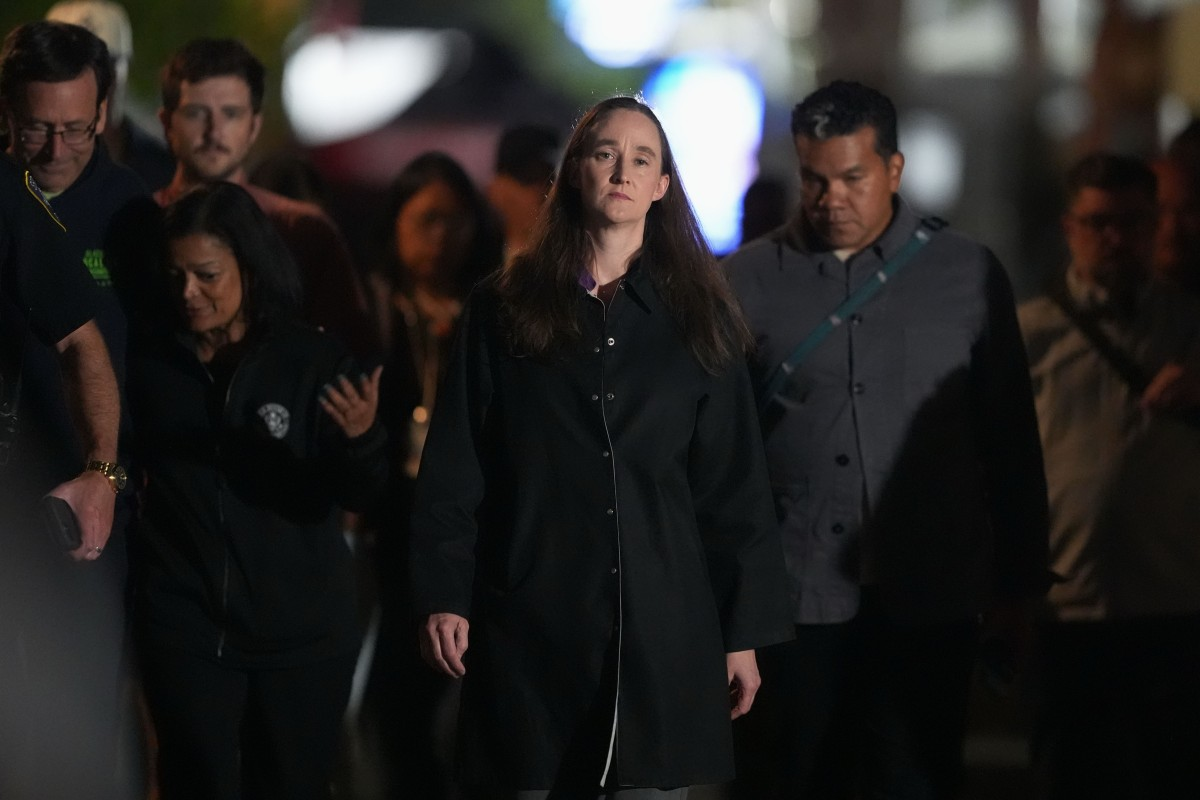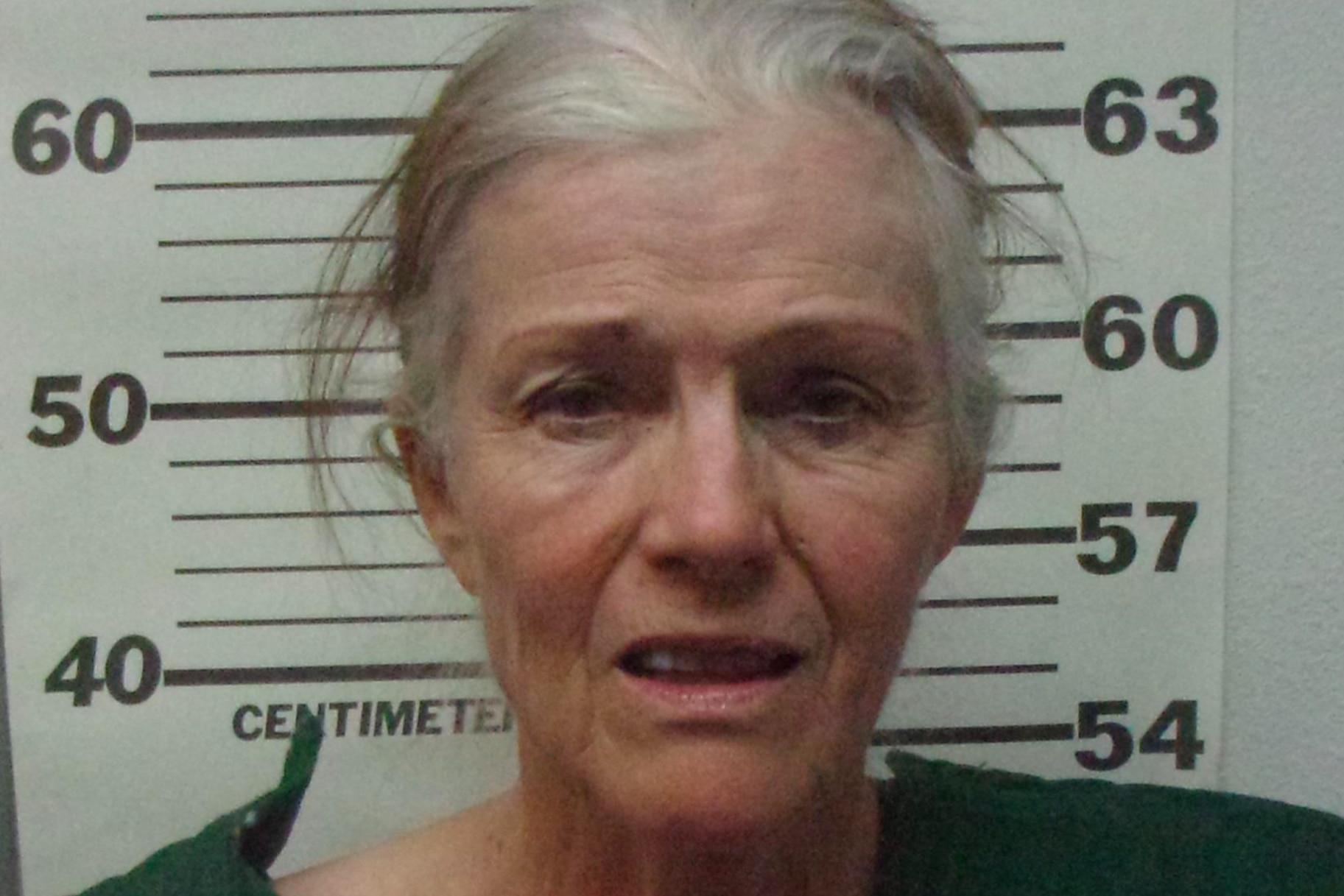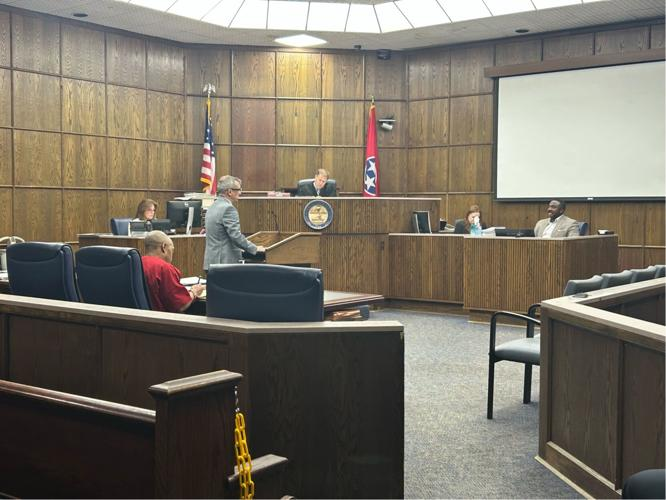
Latest update: A Chattanooga judge denied former police officer Lawrence Goodine’s request to delay his murder trial on August 12, 2026, one day after ruling that jurors may see disputed Ring-camera video that prosecutors consider important to the case. Goodine is charged with first-degree murder in the 2023 death of Kara Akins. He has denied killing Akins, and the charge remains an allegation unless and until proved in court.
The Latest Court Ruling
Goodine returned to court during a final stretch of pretrial litigation as his defense challenged access to evidence and sought additional time before trial. WDEF reported on August 12 that the judge denied a defense request to postpone the proceeding over concerns about evidence accessibility. The ruling kept the trial on its existing schedule rather than granting another delay.
The denial followed a separate August 11 hearing focused on Ring-camera evidence. NewsChannel 9 reported that the judge allowed prosecutors to use the video at trial. The station described footage showing Akins walking away from Goodine before Goodine catches up with her. Prosecutors argue the recording is relevant to their account of the events leading to Akins’s death. Defense attorneys had asked the court to restrict the evidence and raised concerns about obtaining the underlying Ring technology and data.
The court rejected the request to compel the state to provide the Ring application or technology itself and permitted the video to be shown to jurors. That decision addresses admissibility, not guilt. Jurors will still have to decide what weight, if any, the recording deserves when considered with the rest of the evidence.
Who Is Lawrence Goodine?
Lawrence Foster Goodine is a former Chattanooga police officer. Local reporting has identified him as the defendant charged in connection with the death of Kara Akins, his former girlfriend. WDEF has reported that Goodine faces a first-degree murder charge and has remained in custody while the case moves toward trial.
Goodine has contested the prosecution’s theory. NewsChannel 9 reported that prosecutors allege he strangled Akins after a fight, while Goodine has said he found her dead from an overdose. Those competing accounts are central to the criminal case and have not been resolved by a jury.
Kara Akins and the 2023 Case
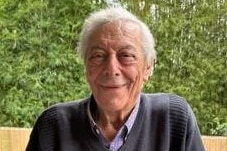
Kara Akins, 48, died in November 2023. Earlier local coverage described surveillance footage from the period before her death and reported that prosecutors relied on video evidence during a preliminary hearing. The criminal case has since generated repeated hearings over scheduling, evidence, and the material that jurors may eventually hear or see.
Akins’s death also led to separate civil litigation. WDEF reported in December 2024 that her daughter filed a wrongful-death lawsuit naming Goodine, the City of Chattanooga, and at least one unnamed police officer. The civil filing alleged that authorities failed to adequately enforce protections involving Akins before her death. Those civil allegations are distinct from the criminal prosecution and carry different legal standards.
Why the Ring Video Matters
Video evidence can be powerful because it can establish timing, movement, location, and interactions without depending solely on a witness’s memory. It can also be incomplete. A camera may capture only one angle or a short portion of a larger sequence. For that reason, courts often address authentication, relevance, completeness, and whether the value of a recording is outweighed by unfair prejudice.
In Goodine’s case, the defense sought to keep the Ring footage from the jury and argued over access to the technology behind it. Prosecutors responded that Ring is owned by Amazon and is not a state actor, according to NewsChannel 9. The judge ultimately allowed the recording and denied the defense request that the state supply the app or technology used by the private company.
The ruling does not mean the court has accepted the prosecution’s interpretation of the video. It means the evidence cleared the legal threshold for presentation at trial. Defense counsel remains free to challenge context, reliability, interpretation, or the conclusions prosecutors ask jurors to draw from it.
A Case Marked by Delays
The prosecution has already experienced significant scheduling changes. WDEF reported in September 2025 that the trial was delayed, and the station reported another postponement in April 2026. By August, the parties were litigating final evidentiary issues as the rescheduled trial approached.
Repeated continuances are not themselves evidence for or against a defendant. Serious felony cases can be delayed for many reasons, including discovery disputes, expert review, attorney scheduling, motions practice, and the need to resolve what evidence will be permitted at trial. The important distinction is between a scheduled date and a completed legal development. For this article, the August 12 denial of Goodine’s latest delay request is the most recent verified substantive court event.
What Prosecutors Must Prove
A first-degree murder charge requires the prosecution to prove every element of the charged offense beyond a reasonable doubt. The state may use witness testimony, physical evidence, medical evidence, recordings, digital records, or other admissible material to try to establish its case. The defense can cross-examine witnesses, challenge the state’s interpretation of evidence, present its own evidence when appropriate, and argue that prosecutors have not met their burden.
Goodine is presumed innocent unless convicted. Pretrial rulings can shape what a jury sees, but they are not verdicts. A judge deciding that a video is admissible is answering an evidence question, not deciding whether the defendant committed the charged crime.
What Comes Next
Local reporting says the trial is scheduled to proceed after the judge’s August 12 refusal to grant another delay. Because trial schedules can change, the scheduled start should not be confused with a completed outcome. The next major substantive update would be an actual trial development such as jury selection, testimony, a plea, a verdict, dismissal, or another court ruling that changes the case’s posture.
For now, the key verified status is that Goodine remains charged with first-degree murder, the defense has not obtained the requested postponement, and the judge has ruled that the disputed Ring video may be presented to jurors. The criminal allegations remain unresolved.