Nashawn Anthony Jordan and Cameren Bradford pleaded not guilty in adult court on August 11, 2026 in the killing of Lyft driver Vasyl Shvets. A judge set bond at $1 million for each defendant.
Adult-Court Arraignment
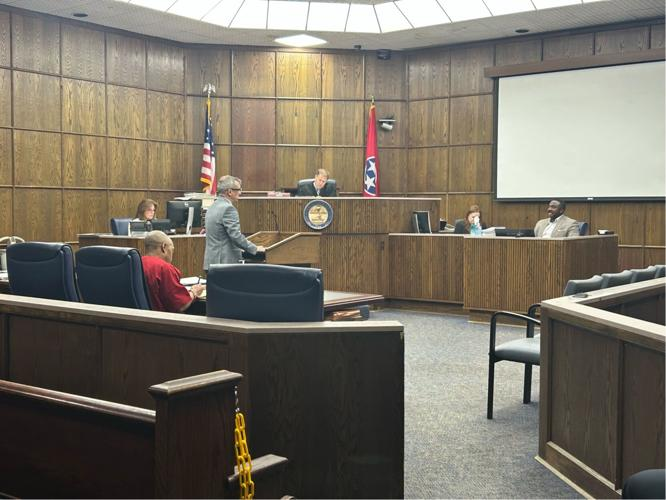
The prosecution of Nashawn Anthony Jordan and Cameren Bradford advanced again on August 11, 2026 when the two teenagers appeared in Cuyahoga County Court of Common Pleas. Cleveland 19 and WKYC reported that both defendants pleaded not guilty. The judge set bond at $1 million for each and scheduled a later pretrial hearing.
That arraignment is the latest completed substantive event verified for the article. The earlier page stopped at the July grand-jury indictment. Because the defendants have now entered pleas and received bond orders, leaving the title at the indictment stage would understate the current posture of the case.
Killing of Vasyl Shvets
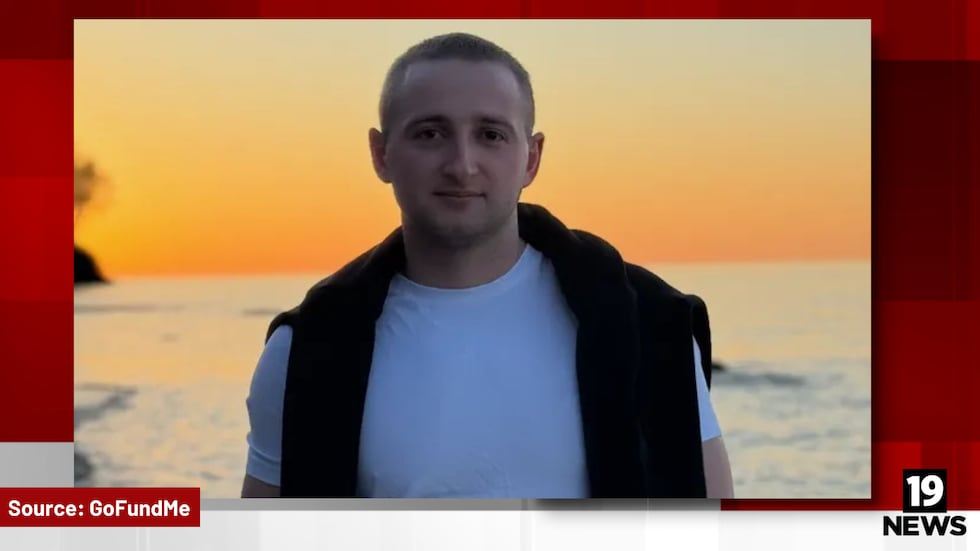
Vasyl Shvets, 27, was working as a Lyft driver in Cleveland in the early hours of February 10. Prosecutors say Jordan and Bradford had a third juvenile in Arizona order a ride that would pick them up near East 118th Street. Shvets picked up the two and drove toward the drop-off area near East 84th Street and Woodland Avenue.
The Cuyahoga County Prosecutor’s Office alleges the two attempted to rob Shvets while traveling on East 84th Street and shot him. The vehicle then crashed into a dumpster, and prosecutors say Jordan and Bradford fled on foot. Police, EMS and firefighters responded. Shvets was taken to a hospital, where he was pronounced dead.
Victim Had Fled the War in Ukraine
Public reporting identified Shvets as a Ukrainian immigrant who came to Northeast Ohio after fleeing the war in his home country. Friends and community members described him as hardworking and said he was driving for Lyft to support himself. The prosecutor’s office also emphasized that he had come to Cleveland seeking safety.
Those details explain the public attention around the case but do not alter the elements prosecutors must prove. The criminal proceeding centers on whether the defendants committed the alleged robbery and shooting, what evidence identifies each participant, and whether the state can prove aggravated murder and the related counts beyond a reasonable doubt.
From Juvenile Court to Adult Court
Jordan and Bradford were both 17 at the time of the February shooting. Cleveland police arrested the teenagers on February 16, and the cases began in juvenile court. The state then sought mandatory bindover. According to the prosecutor, a juvenile-court judge found probable cause and transferred the cases to the Cuyahoga County Court of Common Pleas for adult prosecution.
Jordan is now 18; Bradford remains 17. Adult-court prosecution does not erase Bradford’s age or justify unnecessary publication of private juvenile information. It does mean the charges are now proceeding in the adult felony system under the grand-jury indictment and the bond orders entered at the August arraignment.
Indictment and Evidence
The July 28 indictment charges each defendant with one count of aggravated murder, two counts of murder, two counts of aggravated robbery and two counts of felonious assault. The prosecutor’s office said electronic evidence and DNA linked both defendants to the homicide. The state also relies on the ride request and the sequence of travel surrounding the shooting.
Electronic and DNA evidence still must be authenticated and connected to the propositions for which prosecutors offer it. A phone or account record can help establish a timeline, while DNA can associate a person with an object or location, but the factfinder ultimately decides what weight that evidence deserves. The not-guilty pleas preserve each defendant’s right to contest identification, intent, participation and the state’s interpretation of the evidence.
Bond and Current Status
The $1 million bonds are pretrial custody decisions, not sentences. A bond ruling addresses whether and under what conditions a defendant may be released while the case is pending. It does not determine guilt. The reviewed reports say both defendants were ordered back to court for a pretrial proceeding on August 25.
Because that August 25 date had not occurred when this update was prepared, it is not used as the publication date and is not described as an outcome. August 11 controls because the pleas and bond orders were completed that day. No guilty plea, trial verdict, dismissal or sentence was found in the reviewed sources through August 11.
Why the August 11 Hearing Matters
The adult-court arraignment performs a different function from the July indictment. The indictment states the felony charges a grand jury authorized. At arraignment, Jordan and Bradford formally answered those accusations with not-guilty pleas, and a judge made an immediate custody decision by setting separate $1 million bonds. Those are completed court actions and therefore provide a stronger publication-date anchor than the later pretrial date placed on the calendar. The charges themselves did not become convictions merely because the case moved into adult court.
The prosecutor’s account also supplies a more specific evidence theory than early arrest coverage. The office said electronic evidence and DNA linked both defendants to the homicide, while the alleged ride request explains how Shvets came into contact with them. Those facts may become central at motions or trial, but the defense is entitled to challenge how devices or accounts are attributed, where biological material was found, whether collection and testing were reliable, and whether the evidence proves the mental state required for aggravated murder rather than simply presence or contact.
Separate Counts, Separate Proof
The seven-count indictment against each defendant contains overlapping but legally distinct theories. Aggravated murder addresses the most serious homicide theory, the two murder counts provide additional homicide theories, aggravated robbery concerns the alleged attempt to take property by force, and felonious assault addresses the alleged shooting conduct. A verdict on one count would not automatically dictate the result on every other count. The August not-guilty pleas preserve the defendants’ ability to contest each theory separately.
Sources
- Cuyahoga County Prosecutor, July 28, 2026 indictment release
- Cleveland 19, August 11, 2026 arraignment report
- WKYC, August 11, 2026 plea and bond report
- Cleveland 19, February 16, 2026 arrests
- News 5 Cleveland, victim and investigation reporting
Disclaimer: This article summarizes case-specific police, prosecutor, court and news reporting available through August 11, 2026. Unresolved criminal charges are allegations unless a valid plea or court judgment establishes guilt.