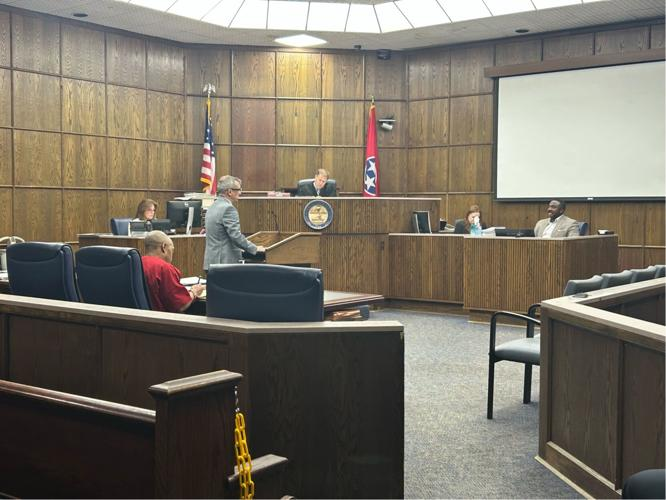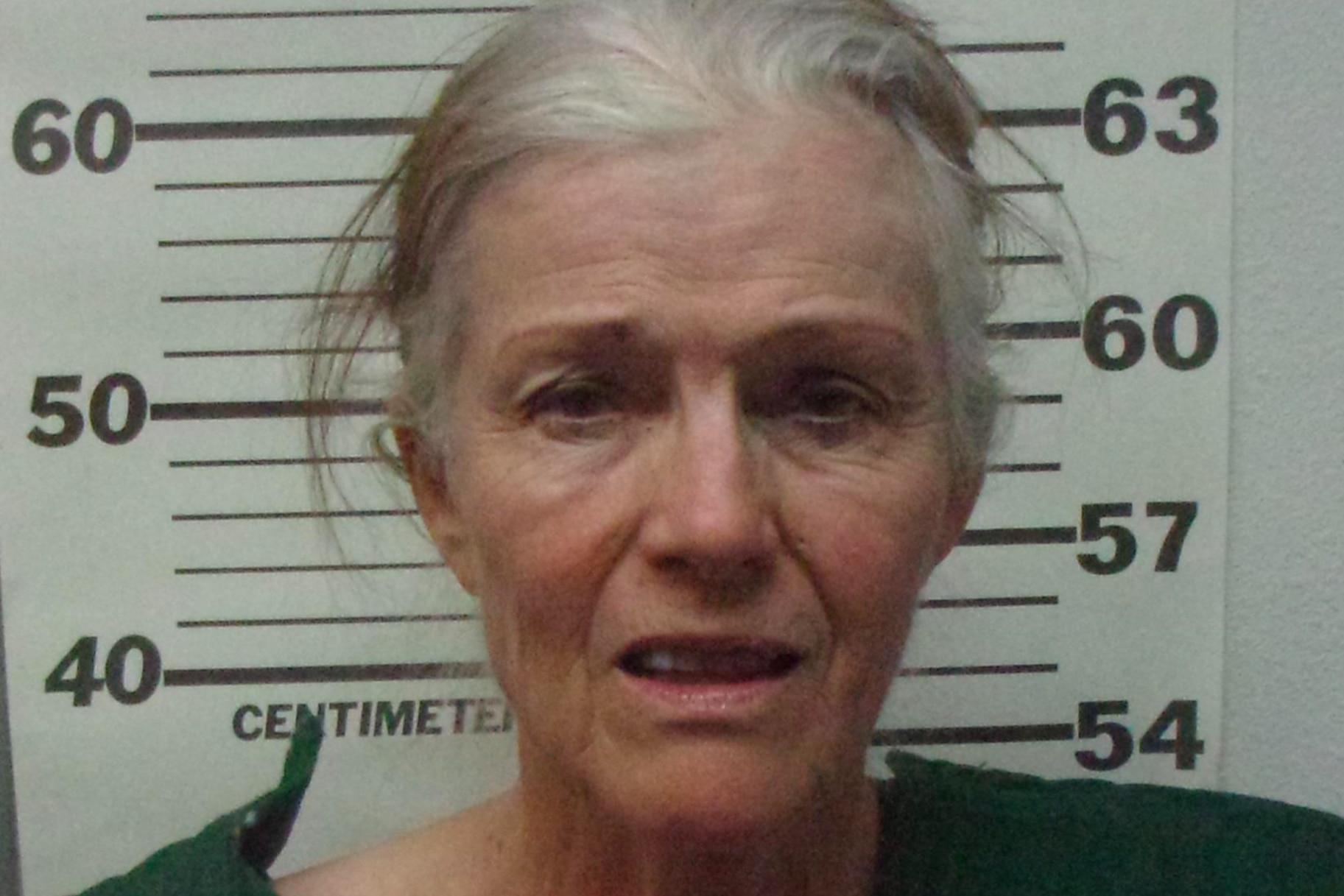
Glendale firefighter-paramedic Andrew Jimenez pleaded not guilty to the murder charge in the death of his wife, Mayra Jimenez, and remained jailed without bail.

Case Overview
This report concerns Andrew Jimenez and the events or court proceedings centered on North Hollywood, Los Angeles, California. The record reviewed for this update separates the underlying incident from arrest, charging, pretrial custody, trial, appeal and sentencing. The controlling current status is: Jimenez remained jailed after a not-guilty plea, with a preliminary hearing reported set for October 21, 2026.
Crime reporting can become inaccurate when different procedural stages are compressed into one label. An arrest reflects custody based on legal process. A charge is an accusation. A not-guilty plea preserves the prosecution’s burden of proof. A jury verdict is a finding at trial, while an appellate reversal can remove a conviction without necessarily resolving the underlying factual dispute. This article therefore uses the precise stage supported by the cited case records.
| Crime Location | North Hollywood, Los Angeles, California |
|---|---|
| Date and Time | January 21, 2026 homicide; preliminary hearing set for October 21, 2026 |
| Investigating Agency | Los Angeles Police Department and Los Angeles County District Attorney’s Office |
| Suspect or Defendant | Andrew Jimenez |
| Age | 45 |
| Charges / Legal Posture | Murder with an allegation that an axe was used |
| Bond or Custody | Jimenez was reported held without bail. |
| Conviction | No conviction reported. Jimenez pleaded not guilty. |
| Sentence | No sentence reported. |
| Current Outcome | Glendale firefighter-paramedic Andrew Jimenez pleaded not guilty to the murder charge in the death of his wife, Mayra Jimenez, and remained jailed without bail. |
| Victim | Mayra Jimenez, 46, was killed. Early police reporting gave a different age; later reporting identified her as 46. |
The Crime and Reported Incident
Jimenez, a Glendale firefighter-paramedic, went to a police station in the early morning and requested a welfare check at the North Hollywood home.
Officers found his wife dead with blunt-force trauma.
The district attorney charged Jimenez with murder and alleged an axe was used.
Jimenez pleaded not guilty in April.
The latest reviewed report set an October preliminary hearing while he remained in custody.
Taken together, these sources provide the factual spine of the case without treating every allegation as proven. Where later reporting supplied a more developed procedural result, that later result controls the outcome field. Earlier reports remain useful for chronology, scene details and the path of the investigation, but they are not allowed to overwrite a later plea, verdict, reversal, arrest or court order.
Crime Location
The publicly reported location is North Hollywood, Los Angeles, California. Location is legally important because it helps identify the investigating agencies, court jurisdiction, physical evidence and witnesses. The article does not republish private residential details beyond what is necessary to understand the public case.
A crime scene is also an evidentiary map. Investigators may compare entrances, exits, sight lines, vehicles, damage, surveillance coverage, discarded objects and distances. Those physical details can support or contradict witness recollections. A news summary cannot substitute for the measurements, photographs and exhibits introduced in court, so scene descriptions here remain contextual rather than conclusive.
Date and Time
The central dates are January 21, 2026 homicide; preliminary hearing set for October 21, 2026. Dates matter because emergency calls, surveillance systems, mobile-device records, medical treatment, warrants, arrests and court deadlines can all depend on sequence. When the source record gives only an approximate time, this article does not invent a more precise one.
Later procedural dates are equally important. A case may move from an early arrest report to an indictment, plea, verdict, appeal or sentence months or years later. Updating the existing record with the latest verified stage prevents an old headline from misleading readers after the legal posture has changed.
Police Department and Investigating Agencies
The principal agencies identified in the reviewed record are Los Angeles Police Department and Los Angeles County District Attorney’s Office. Patrol officers, detectives, forensic specialists, prosecutors, courts and corrections agencies perform different functions. A statement from one agency should not be presented as though every institution independently reached the same conclusion.
Multi-agency cases require especially careful chain-of-custody documentation. Evidence may pass through dispatch systems, hospitals, laboratories, local police, state or federal agencies and courts. The source list prioritizes official records where available and then uses reliable local or national reporting to add case-specific context.
Suspect or Defendant Name and Age
The person or persons publicly identified for this article are Andrew Jimenez. The age information available in the reviewed sources is: 45.
Identifying information is intentionally limited for juvenile defendants and victims, and for adults when a detail does not help explain the case. When youth-reporting law restricts publication of a name, the article preserves that restriction even if an earlier temporary police authorization allowed a name to circulate.
Charges and Legal Posture
The reported charges or legal issues are: Murder with an allegation that an axe was used. Each count has elements the prosecution must establish. Closely related counts may require different proof about intent, injury, possession, causation, participation or the identity of a victim.
Charge lists can change. Prosecutors may amend, dismiss, sever or add counts, and a court can limit what proceeds to trial. Future updates should replace an obsolete charge summary with the verified current one rather than stack conflicting versions of the case on the site.
Bond Amount or Custody Status
Jimenez was reported held without bail.
Pretrial detention and bond decisions concern release before final judgment and should not be confused with a verdict. Courts may consider offense severity, public-safety allegations, prior compliance, flight risk and statutory rules. In a post-conviction case, custody may instead flow from a verdict or sentence. The wording here follows the latest status that the reviewed sources actually support.
Conviction
No conviction reported. Jimenez pleaded not guilty.
A conviction can arise from a guilty plea or a trial verdict. An appellate ruling may affirm, reverse or remand part of a judgment. When there is no conviction, this article does not fill the gap with predictions. When a jury has returned a verdict, the article uses that finding and does not continue describing the adjudicated count as merely an accusation.
Sentence
No sentence reported.
Potential maximum penalties are not substituted for an actual sentence. Sentencing information should come from a court, prosecutor, corrections record or reliable reporting of the hearing. If sentencing is scheduled for a future date, the article states that date while avoiding assumptions about what the judge will impose.
Evidence and Allegations
Police and prosecutors will rely on scene evidence, the medical examiner, any recovered weapon, digital records and statements.
The welfare-check request and the timing of Jimenez’s contact with police may become relevant to the prosecution and defense timelines.
A discrepancy in the victim’s age appeared in early reporting; the article uses the later corrected age while preserving the source difference.
No allegation should be treated as a court finding unless admitted or proven in later proceedings.
Digital records require the same care. A phone location, message, ride-share account, social-media entry or license-plate hit can help establish chronology, but the government still must link the record to a person and explain its significance. News reports should avoid turning an investigative lead into proof before the court process has tested it.
Chronology
- January 21: police conduct a welfare check and find Mayra Jimenez dead.
- January 26: prosecutors announce a murder charge.
- April 15: Jimenez pleads not guilty.
- July 29: the next hearing schedule is reported.
- October 21: preliminary hearing is set, subject to court change.
This chronology is intentionally narrower than a trial narrative. It lists events supported by the reviewed case sources and leaves space for discovery, corrections and later rulings. If a new development belongs to the same prosecution, the existing post should be updated in place rather than replaced by a competing duplicate.
Victim Information
Mayra Jimenez, 46, was killed. Early police reporting gave a different age; later reporting identified her as 46.
Victim information is limited to what is necessary to understand the public case. Private addresses, unnecessary medical details and protected juvenile identities are omitted. Acknowledging the harm does not reduce the prosecution’s burden of proof, and preserving due process does not minimize the consequences suffered by victims and families.
Where the source record contains an age, name or relationship discrepancy, the later and better-supported account controls and the discrepancy is identified when material. The article does not guess at a victim identity that an official agency has chosen not to release.
Court Status and Current Outcome
Jimenez remained jailed after a not-guilty plea, with a preliminary hearing reported set for October 21, 2026.
The next meaningful development may be an indictment, preliminary hearing, suppression ruling, plea, trial, verdict, sentencing, appeal, retrial decision or dismissal. Court calendars can change, so a scheduled date is not itself an outcome. Future revisions should identify exactly what happened, when it happened and which institution made the decision.
No automatic conclusion should be drawn from delay. Serious cases can require forensic testing, expert review, digital discovery, witness litigation and extensive motion practice. Accurate status reporting is more useful than forcing an unresolved case into a premature ending.
Sources
- mynewsla.com: case-specific source
- lacounty.gov: case-specific source
- lapdonline.org: case-specific source
- latimes.com: case-specific source
- cbsnews.com: case-specific source
- mynewsla.com: case-specific source
Disclaimer: This article summarizes official statements, court information and case-specific reporting reviewed through August 6, 2026. Charges remain allegations unless a valid plea or court judgment establishes guilt. Later court records may correct or expand the information reported here.