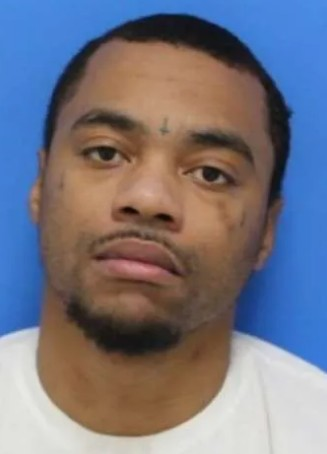
Jontavius Javez Littlejohn was extradited from South Carolina to Catawba County to face murder and attempted first-degree murder charges in the Love’s Travel Stop shooting.
The Crime
A North Carolina man accused in a May shooting at a Love’s Travel Stop has been extradited from South Carolina after the victim died. Jontavius Javez Littlejohn, 27, was returned to Catawba County in early August to face charges that now include murder in the death of Ronald David Rumley Jr., 27.
The encounter occurred on May 11 at the travel stop on Southfork Drive near Newton. Police said Littlejohn and Rumley knew each other and had arranged to meet. Investigators allege that Littlejohn entered Rumley’s vehicle with a firearm during an attempted robbery or forced encounter while another person tried to pull a woman from the vehicle.
Rumley suffered multiple gunshot wounds, including a serious wound to the neck. He was transported to a Charlotte hospital in critical condition and died on May 21, ten days after the shooting. A woman and a two-month-old infant were also inside the vehicle. Reports said they were treated or evaluated and did not suffer the same level of injury.
Littlejohn was located in Orangeburg County, South Carolina. Authorities said he led officers from the Orangeburg County Sheriff’s Office and the South Carolina Law Enforcement Division on a brief vehicle pursuit before being arrested. Extradition took additional time because he first had to answer to South Carolina custody and transfer procedures.
Initial North Carolina charges included attempted first-degree murder, assault inflicting serious bodily injury, possession of a firearm by a felon and assault with a deadly weapon with a minor present. After Rumley died, authorities added or upgraded the homicide allegation. The final set of counts should be checked against the current Catawba County docket because charge labels can change as a case moves from arrest to indictment.
The presence of an infant in the vehicle is legally and emotionally significant, but the child’s identity should remain private. Prosecutors will need to establish who fired, what occurred inside or around the vehicle, the alleged robbery purpose and the causal connection between the gunshot wounds and Rumley’s death.
Case Details
| Crime Location | Love’s Travel Stop, Southfork Drive near Newton, North Carolina |
|---|---|
| Date and Time | May 11, 2026; victim died May 21; extradition reported August 2 |
| Investigating Agencies | Newton Police Department, Orangeburg County Sheriff’s Office and South Carolina Law Enforcement Division |
| Suspect | Jontavius Javez Littlejohn (age 27) |
| Bond or Detention | Later local reporting said he was held without bond on the murder count; confirm through the current jail or court record |
| Conviction | None. Charges remained pending. |
| Sentence | None. |
| Current Outcome | Jontavius Javez Littlejohn was extradited from South Carolina to Catawba County to face murder and attempted first-degree murder charges in the Love’s Travel Stop shooting. |
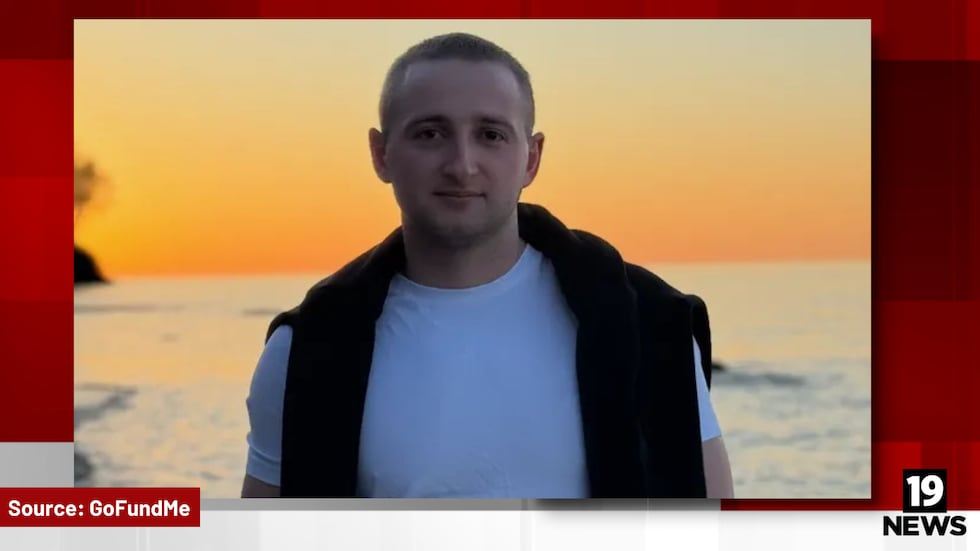
| Victim Information | Ronald David Rumley Jr., 27, died ten days after being shot. A woman and two-month-old infant were also in the vehicle and were treated or evaluated. |
Charges
- Murder after the victim’s death
- Attempted first-degree murder connected to another alleged target or initial charging theory
- Assault inflicting serious bodily injury
- Possession of a firearm by a felon
- Assault with a deadly weapon with a minor present
Understanding the Court Status
Criminal charges are formal accusations. They identify the offenses prosecutors believe the available evidence supports, but they do not establish guilt. The government carries the burden of proving every required element beyond a reasonable doubt. The accused may challenge searches, statements, identification procedures, expert conclusions and the credibility of witnesses.
Early charging documents can change. Prosecutors may amend counts, seek an indictment, dismiss allegations or add charges when new evidence develops. Bond decisions address release and court appearance; they are not a punishment or a verdict. For that reason, this article separates the reported allegations from convictions and sentences.
Public reporting rarely contains the entire investigative file. Body-camera video, surveillance footage, laboratory testing, medical records, telephone data and sworn testimony may become available later. Any major update, plea, dismissal, trial verdict or sentence should be added to the same case record rather than presented as though the earlier allegations were final.
Evidence and Unresolved Questions
The investigation centers on events reported at Love’s Travel Stop, Southfork Drive near Newton, North Carolina during May 11, 2026; victim died May 21; extradition reported August 2. The agencies publicly associated with the case are Newton Police Department, Orangeburg County Sheriff’s Office and South Carolina Law Enforcement Division. Their files may contain dispatch recordings, incident reports, photographs, interviews, forensic submissions and records created during arrest or booking. Only part of that material is ordinarily available at the beginning of a prosecution. A later court filing may clarify details that were compressed or omitted in the first police summary.
The publicly reported charges include Murder after the victim’s death, Attempted first-degree murder connected to another alleged target or initial charging theory, Assault inflicting serious bodily injury, Possession of a firearm by a felon, Assault with a deadly weapon with a minor present. Each count has its own required elements, and evidence that supports one allegation may not prove another. Location, timing, intent, possession, causation and the conduct attributed to each participant can become separate contested issues. A court may also decide whether statements, searches or digital evidence are admissible before a jury ever hears the merits.
The reported victim information is: Ronald David Rumley Jr., 27, died ten days after being shot. A woman and two-month-old infant were also in the vehicle and were treated or evaluated. Victims and surviving relatives may participate in the process through notifications, impact statements or restitution requests, depending on the jurisdiction and outcome. They may also choose not to discuss medical or personal details publicly. Responsible coverage should not treat the absence of a family interview as an absence of harm.
The current reported outcome is: Captured in South Carolina after a brief pursuit and later extradited to Catawba County after the injured victim died. That status is a snapshot rather than a prediction. A detention decision can be revisited, charges can be revised, and scheduled hearings can move. The most reliable future updates will come from the controlling court docket, a prosecutor or police release, a corrections record, or direct reporting from a hearing. Social-media claims should be compared with those records before being repeated.
Cases involving violence often generate immediate demands for a simple explanation. The evidence may eventually establish motive, planning, self-defense, mistaken identity, accomplice liability or another theory, but those conclusions should not be supplied before the record supports them. The useful questions are narrower: what conduct is alleged, what evidence connects the accused to it, what injuries or losses occurred, and what has a court actually decided?
Violent-crime cases also affect people who never appear in the caption of the case. Neighbors may have heard gunfire, workers may have provided emergency aid, and relatives may suddenly be responsible for medical care, funerals, transportation or child care. Those consequences are not proof against a defendant, but they explain why a community follows the proceedings and why victim services can remain necessary long after the first news cycle ends.
Public access to a case develops in layers. An arrest report may be followed by a probable-cause statement, an indictment, motions, hearing testimony and a final judgment. Each layer can correct or complicate the earlier account. Readers should therefore treat the newest verified court record as controlling while retaining older reports only for the timeline they accurately document.
A complete outcome record should eventually identify the final charges, the disposition of every count, the custody result and any sentence or supervision conditions. Until those entries exist, labels such as suspect, accused or defendant are more accurate than language that assumes a completed prosecution.
Verified updates should be added promptly when the court record materially changes.