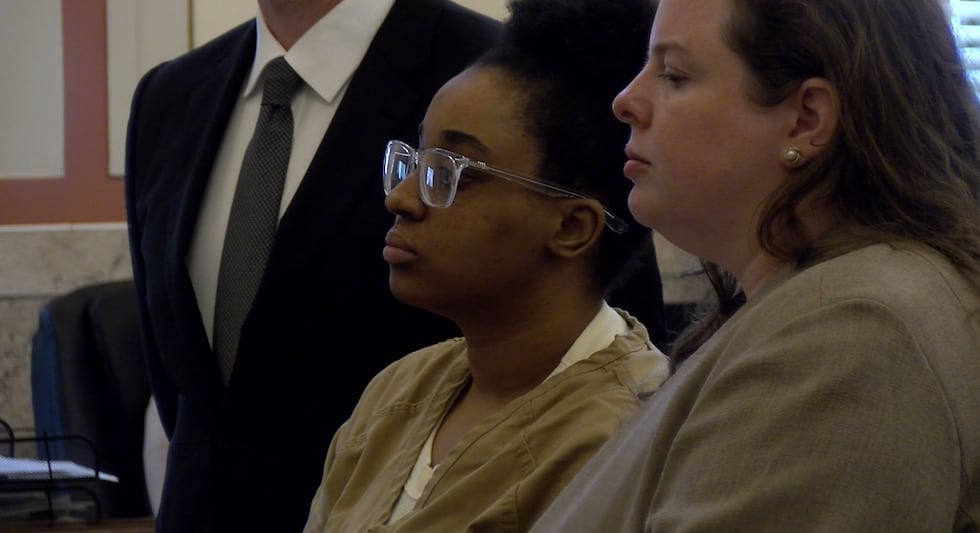
Briasha Stroud was sentenced to 10 to 15 years after pleading guilty to attempted murder in the shooting that catastrophically injured her 12-year-old son.
The Crime
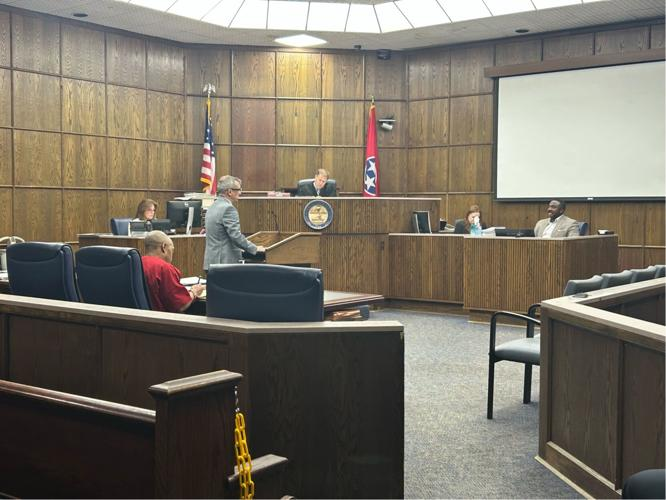
An Ohio mother has been sentenced to 10 to 15 years in prison after admitting that she shot her 12-year-old son in the head during what prosecutors described as a failed murder-suicide attempt. Briasha Stroud entered a guilty plea to attempted murder in June 2026 and was sentenced by Hamilton County Common Pleas Court Judge Melba Marsh on July 23.
The shooting occurred on January 26, 2025, in a vehicle parked inside a garage in Deer Park. Prosecutors said Stroud shot her son at point-blank range and then shot herself in the chest. Both survived. The child’s survival did not mean a return to his previous life. Court and prosecutor accounts describe catastrophic, permanent injuries and continuing medical needs.
Stroud was originally indicted on one count of attempted murder and two counts of felonious assault. By pleading guilty, she waived the right to require prosecutors to prove the attempted-murder count at trial. A plea also allows the judge to proceed directly to sentencing after reviewing the agreement, the facts admitted, victim information and arguments from both sides.
The 10-to-15-year term is an indeterminate sentence. The precise release process will depend on Ohio law, prison records and decisions made later in the sentence. Prosecutors also noted an unusual and painful possibility: if the child eventually dies from injuries caused by the shooting, authorities could review whether a homicide charge is legally available.
The victim’s identity is being withheld because he is a minor. Reports indicate that a foster parent and child-services professionals have been involved in his care. His needs extend beyond the criminal case, including medical treatment, rehabilitation, education, emotional support and long-term planning.
This case reached a conviction rather than remaining at the allegation stage. Even so, precise language matters. Stroud pleaded guilty to attempted murder and was sentenced for that offense. The public record should not exaggerate uncharged facts or reveal details that intrude unnecessarily on the child’s privacy.
Case Details
| Crime Location | Deer Park, Hamilton County, Ohio |
|---|---|
| Date and Time | January 26, 2025; guilty plea June 9, 2026; sentencing July 23, 2026 |
| Investigating Agencies | Deer Park Police and Hamilton County Prosecutor’s Office |
| Suspect | Briasha Stroud (age 29 at plea; prosecutors later listed her as 30) |
| Bond or Detention | Not central to the final disposition in the reviewed sentencing reports |
| Conviction | Guilty plea to attempted murder |
| Sentence | 10 to 15 years in prison |
| Current Outcome | Briasha Stroud was sentenced to 10 to 15 years after pleading guilty to attempted murder in the shooting that catastrophically injured her 12-year-old son. |
| Victim Information | Stroud’s 12-year-old son survived a point-blank gunshot wound to the head but suffered permanent, life-altering injuries. |
Charges
- Attempted murder, guilty plea
- Two felonious-assault counts were included in the original indictment
Understanding the Court Status
Criminal charges are formal accusations. They identify the offenses prosecutors believe the available evidence supports, but they do not establish guilt. The government carries the burden of proving every required element beyond a reasonable doubt. The accused may challenge searches, statements, identification procedures, expert conclusions and the credibility of witnesses.
Early charging documents can change. Prosecutors may amend counts, seek an indictment, dismiss allegations or add charges when new evidence develops. Bond decisions address release and court appearance; they are not a punishment or a verdict. For that reason, this article separates the reported allegations from convictions and sentences.
Public reporting rarely contains the entire investigative file. Body-camera video, surveillance footage, laboratory testing, medical records, telephone data and sworn testimony may become available later. Any major update, plea, dismissal, trial verdict or sentence should be added to the same case record rather than presented as though the earlier allegations were final.
Evidence and Unresolved Questions
The investigation centers on events reported at Deer Park, Hamilton County, Ohio during January 26, 2025; guilty plea June 9, 2026; sentencing July 23, 2026. The agencies publicly associated with the case are Deer Park Police and Hamilton County Prosecutor’s Office. Their files may contain dispatch recordings, incident reports, photographs, interviews, forensic submissions and records created during arrest or booking. Only part of that material is ordinarily available at the beginning of a prosecution. A later court filing may clarify details that were compressed or omitted in the first police summary.
The publicly reported charges include Attempted murder, guilty plea, Two felonious-assault counts were included in the original indictment. Each count has its own required elements, and evidence that supports one allegation may not prove another. Location, timing, intent, possession, causation and the conduct attributed to each participant can become separate contested issues. A court may also decide whether statements, searches or digital evidence are admissible before a jury ever hears the merits.
The reported victim information is: Stroud’s 12-year-old son survived a point-blank gunshot wound to the head but suffered permanent, life-altering injuries. Victims and surviving relatives may participate in the process through notifications, impact statements or restitution requests, depending on the jurisdiction and outcome. They may also choose not to discuss medical or personal details publicly. Responsible coverage should not treat the absence of a family interview as an absence of harm.
The current reported outcome is: Sentenced after pleading guilty; prosecutors said the child continues to live with catastrophic injuries. That status is a snapshot rather than a prediction. A detention decision can be revisited, charges can be revised, and scheduled hearings can move. The most reliable future updates will come from the controlling court docket, a prosecutor or police release, a corrections record, or direct reporting from a hearing. Social-media claims should be compared with those records before being repeated.
Cases involving violence often generate immediate demands for a simple explanation. The evidence may eventually establish motive, planning, self-defense, mistaken identity, accomplice liability or another theory, but those conclusions should not be supplied before the record supports them. The useful questions are narrower: what conduct is alleged, what evidence connects the accused to it, what injuries or losses occurred, and what has a court actually decided?
Violent-crime cases also affect people who never appear in the caption of the case. Neighbors may have heard gunfire, workers may have provided emergency aid, and relatives may suddenly be responsible for medical care, funerals, transportation or child care. Those consequences are not proof against a defendant, but they explain why a community follows the proceedings and why victim services can remain necessary long after the first news cycle ends.
Public access to a case develops in layers. An arrest report may be followed by a probable-cause statement, an indictment, motions, hearing testimony and a final judgment. Each layer can correct or complicate the earlier account. Readers should therefore treat the newest verified court record as controlling while retaining older reports only for the timeline they accurately document.
A complete outcome record should eventually identify the final charges, the disposition of every count, the custody result and any sentence or supervision conditions. Until those entries exist, labels such as suspect, accused or defendant are more accurate than language that assumes a completed prosecution.
Verified updates should be added promptly when the court record materially changes.