A woman received probation for harboring Nicole Cunigan Jr., who was later convicted and sentenced for the murders of Precious Taste and Deante Johnson.

Case Overview
The case concerns A woman identified in the cited Dayton court reporting and events reported in Dayton, Ohio. The principal legal issues described in the case-specific sources are Harboring or obstructing conduct related to a homicide suspect, as described in the cited court reporting. The latest verified status is: The harboring defendant was sentenced to probation. The separate underlying homicide case against Nicole Cunigan Jr. ended in convictions and a life sentence with first parole eligibility reported after 39 years.
Crime reports often compress an emergency call, arrest, charging decision, detention hearing, plea, verdict, and sentence into a few lines. Those events carry different legal meanings. An arrest means authorities took a person into custody. A charge is an accusation. A detention decision addresses release before the case is resolved. A conviction requires a guilty plea or a finding of guilt. This article keeps those stages separate so an unresolved allegation is not presented as a proven fact.
The factual summary below is limited to information that can be tied to the cited case-specific sources. Where later reporting clarified an earlier account, the later verified procedural information is used. Where a name, age, bond term, or final disposition could not be verified, the article says so rather than supplying an estimate.
| Crime Location | Dayton, Ohio |
|---|---|
| Date and Time | The harboring conduct followed the May 22, 2024 double homicide; the probation sentence was reported in 2026. |
| Investigating Agency | Dayton-area courts and law-enforcement agencies involved in the Nicole Cunigan Jr. homicide investigation |
| Suspect or Defendant | A woman identified in the cited Dayton court reporting |
| Suspect Age | Not consistently stated in the reviewed public reports. |
| Charges | Harboring or obstructing conduct related to a homicide suspect, as described in the cited court reporting |
| Bond or Custody | No verified monetary bond amount for the harboring case was stated in the reviewed sources. |
| Conviction | The cited reporting states that the harboring case resulted in a finding or admission of responsibility sufficient for sentencing; the exact judgment terminology should be confirmed against the court docket if republished verbatim. |
| Sentence | Probation; the cited reporting states that the woman did not receive a prison sentence. |
| Current Outcome | A woman received probation for harboring Nicole Cunigan Jr., who was later convicted and sentenced for the murders of Precious Taste and Deante Johnson. |
| Victim Information | The underlying homicide victims were Precious Taste, 32, who was pregnant, and Deante Johnson, 16. The harboring prosecution is a separate case and does not make the woman responsible for the killings. |
The Crime and Reported Incident
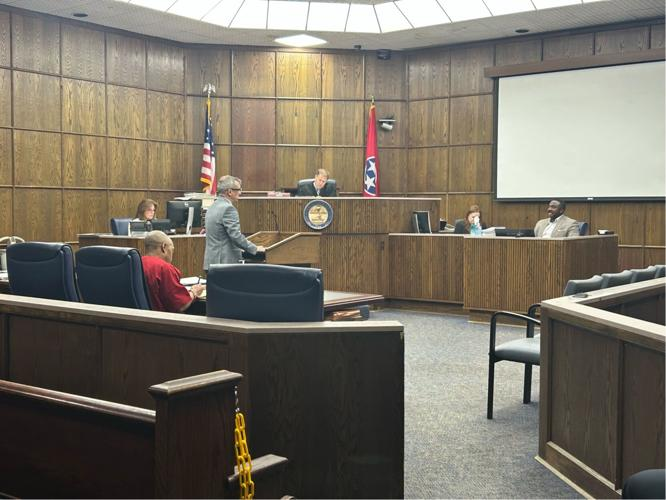
Local court reporting said a woman who allowed a Dayton homicide suspect to stay at her home was sentenced to probation rather than prison.
The harboring case arose from the search for Nicole Cunigan Jr., who was accused of killing Precious Taste and Deante Johnson in Dayton in May 2024.
The woman’s alleged assistance was legally separate from the homicide itself, and the public record must not conflate harboring conduct with participation in the killings.
Cunigan was later captured, tried, and in August 2025 was convicted on every count he faced in the homicide prosecution.
WHIO reported that Cunigan received a life sentence with his first opportunity for parole after 39 years; that later result supplies context for the underlying case but does not alter the woman’s probation sentence.
Taken together, these reports describe how the incident moved from an emergency response into an investigation and then into court proceedings. The published allegations are not treated as a substitute for the evidence that prosecutors must actually present in court.
The number of reported incidents or charges can also be misleading if read without context. Several counts can arise from one encounter, while one investigation can involve conduct at several places and times. Each count therefore has to be connected to a particular alleged act, victim, mental state, and body of evidence.
Crime Location
The public location tied to this case is Dayton, Ohio. That location identifies the agencies and courts with responsibility for the investigation and prosecution, while also anchoring surveillance, dispatch, witness, vehicle, and physical-evidence records.
A responsible public report does not need to republish private residential information merely because investigators possess it. The useful questions are which jurisdiction responded, what portions of the scene were documented, what routes or cameras may have captured events, and how the physical setting bears on the allegations.
Date and Time
The verified chronology is summarized as: The harboring conduct followed the May 22, 2024 double homicide; the probation sentence was reported in 2026.. Dates matter because emergency calls, arrests, warrants, hearings, digital records, and medical treatment may occur on different days.
A later article can legitimately contain more detail than an initial breaking-news report. That does not mean the first report was necessarily false; it may have been incomplete. When the timing of an arrest, court appearance, or later outcome is known, this article uses the more developed record and avoids inventing exact times that the sources do not provide.
Police Department and Investigating Agencies
The agencies identified in the reviewed sources include Dayton-area courts and law-enforcement agencies involved in the Nicole Cunigan Jr. homicide investigation. Their functions are not interchangeable. Patrol officers may secure a scene and provide emergency aid, detectives develop leads, forensic personnel examine physical evidence, prosecutors make charging decisions, and judges decide release, admissibility, guilt in bench matters, and sentencing questions assigned to the court.
When several agencies participate, accurate reporting should identify which agency made a particular statement. A police allegation is not automatically a prosecutor finding, and a prosecutor filing is not automatically a court finding. That distinction becomes especially important when later proceedings narrow, amend, dismiss, or resolve charges.
Suspect or Defendant Name and Age
The person or persons publicly identified for this article are A woman identified in the cited Dayton court reporting. The age information available in the reviewed sources is: Not consistently stated in the reviewed public reports.
Identifying information is limited when a defendant is a juvenile or when a detail is unnecessary to explain the public case. The goal is to make the record understandable, not to reproduce every personal detail contained in an arrest file.
Charges and Legal Posture
The reported charges or allegations are: Harboring or obstructing conduct related to a homicide suspect, as described in the cited court reporting. These labels describe the legal theories reported by authorities or court coverage. They should not be converted into definitive labels for an unconvicted person.
Each offense has elements the government must prove. Even closely related charges can require different evidence about intent, possession, injury, use of a weapon, participation, or the identity of a victim. If several people are charged together, the prosecution still must prove the conduct and mental state attributable to each person.
Later court filings may amend the charge list. A count may be added, reduced, dismissed, severed, or resolved by plea. For that reason, future updates should replace an obsolete charge list with the verified current one rather than stack conflicting versions in the article.
Bond Amount or Custody Status
No verified monetary bond amount for the harboring case was stated in the reviewed sources.
Pretrial custody is a procedural decision, not a verdict. Courts may consider the charged conduct, risk of flight, community safety, prior compliance, juvenile-placement rules, or proposed release conditions. A high bond, secured bond, remand order, or denial of release can be significant for the defendant and the case schedule without proving the underlying accusation.
Conviction
The cited reporting states that the harboring case resulted in a finding or admission of responsibility sufficient for sentencing; the exact judgment terminology should be confirmed against the court docket if republished verbatim.
A plea and a verdict are different procedural events, and both are different from an arrest. When no conviction is reported, the article leaves the field unresolved. When the cited record does report a final conviction, the wording identifies that final status rather than continuing to describe the person only as an accused suspect.
Sentence
Probation; the cited reporting states that the woman did not receive a prison sentence.
Sentencing information should come from a court record, prosecutor release, corrections record, or reliable reporting of the sentencing hearing. Maximum possible penalties are not substituted for an actual sentence. Conditions such as probation, parole eligibility, suspended time, or juvenile placement should be described only when the source record supports them.
Current Outcome
A woman received probation for harboring Nicole Cunigan Jr., who was later convicted and sentenced for the murders of Precious Taste and Deante Johnson.
This is the status that should control the headline and summary until a later verified development occurs. If a later plea, verdict, dismissal, sentence, reversal, or appeal ruling changes the posture, the existing post should be updated in place when it remains the same case.
Victim Information
The underlying homicide victims were Precious Taste, 32, who was pregnant, and Deante Johnson, 16. The harboring prosecution is a separate case and does not make the woman responsible for the killings.
Victim information is limited to what is necessary to explain the charges and consequences. Private addresses, unnecessary medical detail, and protected juvenile identities are omitted. Reporting can acknowledge injury and loss without using those facts as a shortcut around the prosecution’s burden of proof.
When a person survives an alleged attack, survival does not make the conduct trivial. When a person dies, grief does not transform an accusation into a conviction. Both the human impact and the legal standard can be stated accurately at the same time.
Evidence and Allegations
A harboring or obstruction case typically turns on what the defendant knew about the wanted person, what assistance she allegedly provided, and whether that conduct satisfied the charged offense.
The prosecution would need evidence connecting the woman to the residence, the suspect’s presence, communications or statements, and any conduct intended to help him avoid apprehension.
The homicide evidence against Cunigan belongs to his prosecution. It provides context for why police were searching for him but should not be used as a shortcut to prove the woman’s separate mental state.
The reported probation sentence is a final sentencing event in the harboring case, unlike the pretrial custody decisions featured in many crime reports.
Because the publicly accessible reporting about the woman is comparatively limited, facts not contained in the cited court coverage should remain unstated rather than inferred from the more extensive homicide record.
The defense may challenge identification, intent, causation, possession, witness reliability, search procedures, statements, forensic interpretation, or chain of custody depending on the evidence actually produced. The court determines admissibility, and the factfinder decides what weight admitted evidence deserves.
News reports often identify only the broad categories of evidence available early in a case. Discovery can later reveal additional video, digital records, laboratory results, witness interviews, or inconsistencies. A publication should not claim that an item exists merely because it would be useful evidence; only evidence actually reported or filed should be described as part of the case.
Chronology
- May 22, 2024: Precious Taste and Deante Johnson were killed in Dayton; police identified Nicole Cunigan Jr. as a suspect.
- July 2024: Cunigan was captured in Cleveland and returned to Montgomery County.
- August 2025: Cunigan was convicted on all counts at trial.
- August 29, 2025: Cunigan was sentenced to life imprisonment, with first parole eligibility reported after 39 years.
- 2026: the separate harboring defendant was reported sentenced to probation.
This chronology is intentionally narrower than a trial narrative. It orders the verified public developments without guessing at events that may exist only in sealed discovery or incomplete police files.
Chronology is also a duplicate-control tool. When a new source describes another step in the same chain of events, it usually belongs in the existing article. A new article is better reserved for a materially distinct later stage that is independently newsworthy, such as a verdict, sentence, acquittal, dismissal, reversal, or major appellate decision.
How the Case Record Fits Together
The most important editorial distinction in the Dayton record is between the woman’s harboring case and Cunigan’s homicide prosecution. The woman was not convicted of the murders merely because the person she reportedly sheltered was later convicted. Her case concerns alleged assistance after the homicide and ended with probation according to the cited court coverage.
The underlying homicide later reached a definitive result. WHIO reported that a jury and judge convicted Cunigan on every count at trial in August 2025 and that he received life imprisonment with his first parole opportunity after 39 years. Those facts can now be stated as convictions and sentence, but only when referring to Cunigan, not to the harboring defendant.
Because the principal Dayton Daily News article may be restricted by a subscription wall, the source set keeps additional local coverage and the outlet’s own social post. Access limitations are an editorial concern, not a reason to replace the record with generic legal pages or unrelated commentary.
The harboring defendant’s probation sentence is the central current outcome. If a later docket entry changes probation terms, records a violation, or closes the case, that development should update the same article. Until then, the sentencing report is the appropriate endpoint.
Sources
- daytondailynews.com: case-specific source
- dayton247now.com: case-specific source
- facebook.com: case-specific source
- whio.com: case-specific source
Disclaimer: This article summarizes allegations, official statements, court information, and case-specific reporting reviewed through August 6, 2026. A criminal charge is not proof of guilt. A person facing unresolved charges is presumed innocent unless convicted. Later court records may correct or expand the information reported here.