Florida AI-Generated Crime Hoax
The false claim mobilized officers, rescue workers and a forensic technician before metadata revealed that the suspect photograph was synthetic.
Report and arrest: October 7, 2025 | Later plea: December 1, 2025
Summary
A fabricated rape report supported by an artificial-intelligence image triggered a large emergency response before investigators discovered that the supposed suspect did not exist.
Brooke Schinault called St. Petersburg police on October 7, 2025, and claimed a homeless stranger had entered her apartment and raped her.
She supplied an image that she represented as a picture of the attacker.
Seven patrol officers, a detective, six fire-rescue personnel and a forensic technician responded.
Investigators examined the apartment, interviewed Schinault and reviewed the digital image.
The image metadata showed that it had been created before the alleged crime.
Detectives concluded that the portrait was generated using artificial intelligence.
Schinault admitted fabricating the account and reportedly attributed her actions to a desire for attention, depression and lack of sleep.
Police arrested her for falsely reporting a crime. She spent one night in jail and posted $1,000 bond.
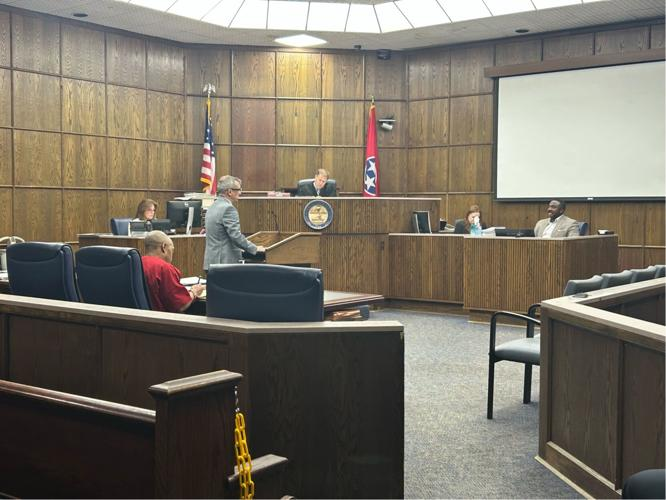
On December 1, 2025, Schinault pleaded no contest, was adjudged guilty and received probation and a fine.
The exact public penalty figures were not clearly reported.
1. The Crime
The alleged offense was knowingly causing police to investigate a crime that did not occur.
The synthetic image made the false report more specific and potentially more dangerous by presenting a face as the supposed offender.
Digital metadata became critical evidence contradicting the timeline.
2. Crime Location
Schinault made the false report from a St. Petersburg apartment complex.
3. Date and Time of the Crime
- Before October 7, 2025The synthetic suspect image was created.
- October 7, 2025Schinault reported the fabricated rape.
- October 7, 2025Police uncovered inconsistencies and arrested her.
- October 8, 2025She was released after posting $1,000 bond.
- December 1, 2025Schinault pleaded no contest and was adjudged guilty.
4. Police Department
The St. Petersburg Police Department investigated the report.
St. Petersburg Fire Rescue and forensic personnel were also deployed.
5. Suspect Name
The defendant is Brooke Schinault.
6. Suspect Age
Schinault was 32 years old.
7. Charges
| Charge or Issue | Classification | Reported Basis | Outcome or Status |
|---|---|---|---|
| Falsely reporting a crime | Misdemeanor | Schinault admitted inventing the assault and supplying an AI-generated suspect image. | No-contest plea; adjudged guilty |
8. Bond Amount
Schinault posted $1,000 bond after a night in jail.
9. Conviction
Schinault was adjudged guilty after her no-contest plea.
10. Sentence
The court imposed probation and a fine.
The exact term and amount were not clearly stated in the public source.
11. Outcome
The fabricated suspect was confirmed to be synthetic.
The case ended through a plea rather than trial.
12. Victim
Police, rescue and forensic agencies expended resources responding to the false emergency.
No actual rape victim or attacker existed in the reported event.
Victim Name
No individual assault victim existed.
Victim Age
Not applicable.
Why Synthetic Evidence Raises Real Risks
An AI-generated face can resemble a real person or cause police to search for someone who never existed.
False evidence can expose innocent people to suspicion while diverting resources from genuine emergencies.
The case also illustrates a practical risk of synthetic evidence. A fabricated image can direct investigators toward a person who does not exist or, if it resembles a real person, toward someone uninvolved. Here, investigators were able to identify the image as artificial before an innocent person was publicly accused.
Florida Statute 817.49 makes it a first-degree misdemeanor to knowingly convey false information to law enforcement or a public-safety agency about a crime that did not occur. The reported facts fit that framework because the alleged burglary and sexual assault were invented, yet they triggered police, rescue and forensic work. The use of an AI-generated face made the hoax unusually modern, but the criminal charge addressed the false report itself rather than the use of artificial intelligence as a standalone offense.
Why Florida’s False-Report Statute Applied
The case did not remain at the arrest stage. On December 1, 2025, Schinault pleaded no contest to the false-report charge and was adjudicated guilty. Public reporting states that the court imposed probation and a fine. Because the disposition came through a plea, the article does not describe the case as awaiting trial or merely under investigation.
The Plea Closed the Criminal Case
The image became the key contradiction. A detective recognized the pictured man as the same synthetic figure appearing in a viral social-media prank, and investigators found that the image’s creation timeline did not match Schinault’s account. Police said she first claimed artificial intelligence had only been used to sharpen a blurry picture, then admitted that the story and suspect image were fabricated. She reportedly said she wanted attention and had been dealing with depression and lack of sleep.
Schinault’s October 7 report prompted a substantial response because she described a home invasion and sexual assault while her infant was nearby. Reporting based on police records said seven patrol officers, a detective, six fire-rescue personnel and a forensic technician responded. Investigators collected evidence and examined the image Schinault supplied as a photograph of the supposed attacker.
The Emergency Response and the Digital Evidence
Case Record Context
The digital evidence in this case became important because investigators could compare the claimed assault timeline with information embedded in the image Schinault supplied. Police said the synthetic portrait had been created before the alleged rape, contradicting the account that it depicted an actual attacker. The false report triggered responses from patrol officers, a detective, fire-rescue personnel and a forensic technician before investigators concluded that no such suspect existed. Schinault was arrested, spent a night in jail and posted $1,000 bond. The case later advanced to a final disposition rather than remaining an arrest-only matter. On December 1, 2025, she entered a no-contest plea, was adjudged guilty and received probation and a financial penalty. The court outcome makes the false-report charge an adjudicated case, while the article avoids inventing exact penalty amounts that were not clearly established in the reviewed public reporting.
Sources
This article is based on police records, court documents, statutes and published
reporting available as of July 30, 2026. An arrest or criminal charge is not proof
of guilt. Victim addresses and unnecessary personal information have been omitted.
Court records and custody information may change after publication.